


The quest for healthy, radiant skin extends far beyond the products you apply topically. While serums, moisturizers, and sunscreens play crucial roles in maintaining your skin's appearance, an emerging body of research suggests that skin care supplements can provide essential support from within. These nutritional compounds work at the cellular level to reinforce your skin's natural defenses, promote collagen synthesis, and combat oxidative stress that contributes to premature aging.
Understanding the Science Behind Skin Care Supplements
Modern dermatological research has revealed that skin health depends significantly on adequate nutrient intake. Your skin constantly regenerates itself, producing approximately 30,000 to 40,000 new skin cells every day. This remarkable turnover requires a steady supply of vitamins, minerals, amino acids, and other bioactive compounds.
Recent studies examining nutritional compounds have demonstrated that specific micronutrients play vital roles in reinforcing the skin's barrier function and supporting overall skin integrity. The challenge lies in understanding which supplements deliver measurable benefits and which remain primarily marketing hype.
The Cellular Mechanisms at Work
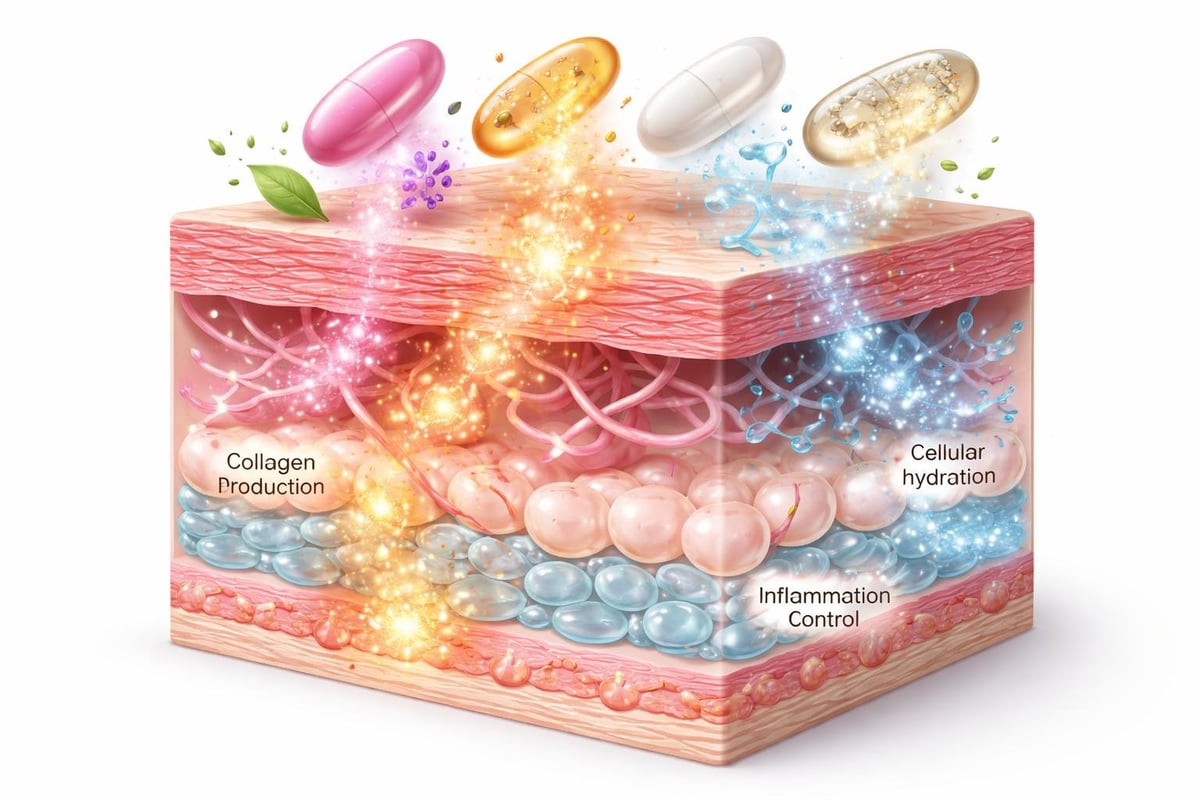
When you consume skin care supplements, the active ingredients enter your bloodstream and eventually reach the dermal layer of your skin. Here, they support various biological processes:
- Collagen synthesis: Certain amino acids and vitamin C activate fibroblasts to produce structural proteins
- Antioxidant protection: Compounds neutralize free radicals generated by UV exposure and environmental stressors
- Hydration enhancement: Hyaluronic acid and ceramides help maintain moisture retention
- Inflammation modulation: Omega-3 fatty acids and other nutrients reduce inflammatory markers
The American Academy of Dermatology emphasizes that while a balanced diet typically provides adequate nutrients, specific supplementation may benefit individuals with dietary restrictions or increased nutritional needs.
Key Ingredients in Effective Skin Care Supplements
Not all skin care supplements deliver equal results. Scientific evidence supports certain ingredients more strongly than others, making it essential to understand what to look for when selecting products for optimal skin health.
Collagen and Amino Acids
Collagen represents the most abundant protein in your skin, providing structure and elasticity. As you age, natural collagen production declines by approximately 1% annually after age 20.
Supplemental collagen benefits include:
- Improved skin hydration levels
- Increased elasticity and firmness
- Reduction in fine lines and wrinkles
- Enhanced dermal density
Hydrolyzed collagen peptides demonstrate superior absorption compared to whole collagen molecules. These smaller protein fragments readily enter the bloodstream and stimulate fibroblast activity in the dermis.
Vitamin C and Antioxidant Protection
Vitamin C serves dual functions in skin health. Beyond its antioxidant properties, this essential nutrient acts as a cofactor in collagen synthesis. Without adequate vitamin C, your body cannot properly form the triple-helix structure that gives collagen its strength.
| Antioxidant | Primary Benefit | Recommended Form |
|---|---|---|
| Vitamin C | Collagen synthesis, brightening | Ascorbic acid or liposomal |
| Vitamin E | Lipid protection, healing | Mixed tocopherols |
| Resveratrol | Anti-aging, UV protection | Trans-resveratrol |
| Astaxanthin | Photoprotection, elasticity | Natural from algae |
The U.S. Department of Veterans Affairs highlights resveratrol and other antioxidant compounds as valuable additions to comprehensive skin health protocols.
Hyaluronic Acid and Hydration
This glycosaminoglycan can hold up to 1,000 times its weight in water, making it exceptionally effective for maintaining skin moisture. Oral hyaluronic acid supplements increase hydration from within, complementing topical applications.
Research indicates that supplemental hyaluronic acid:
- Increases dermal moisture content within 6-8 weeks
- Reduces the appearance of fine lines related to dehydration
- Improves skin smoothness and suppleness
- Supports joint health as a secondary benefit
Evaluating Quality and Safety in Supplementation
The supplement industry faces considerably less regulation than pharmaceutical products. Concerns about marketing and labeling practices have emerged, particularly regarding skin, hair, and nail supplements that may make unsubstantiated claims.
Third-Party Testing and Verification
Quality skin care supplements undergo independent verification to confirm:
- Ingredient accuracy: Products contain stated amounts of active compounds
- Purity standards: Absence of heavy metals, contaminants, and adulterants
- Bioavailability: Ingredients exist in forms your body can actually absorb
- Stability testing: Active compounds remain potent throughout shelf life
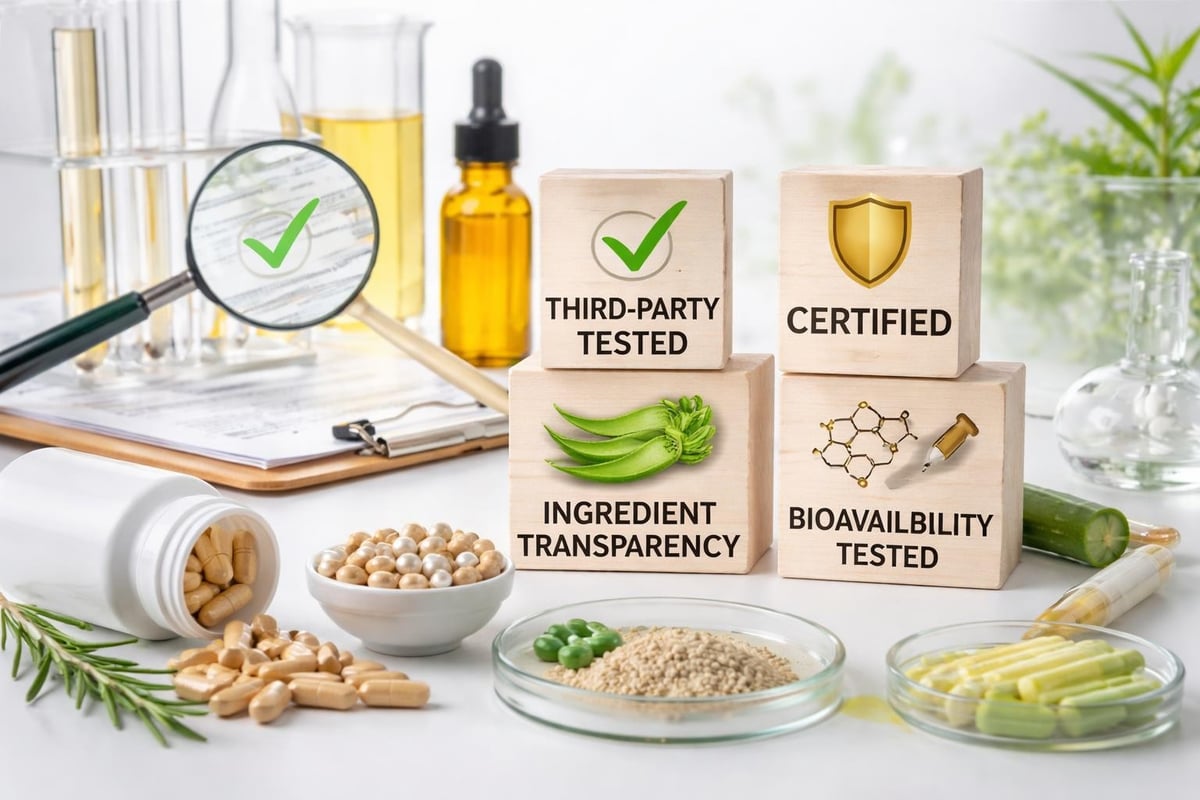
Look for certifications from organizations like NSF International, USP, or ConsumerLab. These independent bodies verify manufacturing practices and product composition through rigorous testing protocols.
Understanding Dosage and Bioavailability
Taking higher doses does not automatically produce better results. Many nutrients demonstrate dose-dependent absorption, meaning your body can only utilize a certain amount at once. Excess quantities simply pass through your system without providing additional benefits.
Recent research on over-the-counter oral supplements emphasizes the importance of evaluating authenticity labels and sourcing products from reputable manufacturers who prioritize quality control.
Specific Nutrients for Targeted Skin Concerns
Different skin care supplements address various dermatological concerns. Understanding your specific skin goals helps you select the most appropriate formulations.
Anti-Aging and Photoprotection
Chronic sun exposure accelerates skin aging through a process called photoaging. A comprehensive review of dietary supplements for photoaging examined their effectiveness in healthy adults, revealing promising results for specific nutrient combinations.
Top anti-aging nutrients:
- Carotenoids (beta-carotene, lycopene, lutein)
- Polyphenols (green tea extract, grape seed extract)
- Coenzyme Q10
- Vitamin D3
These compounds work synergistically to neutralize reactive oxygen species generated by UV radiation and reduce visible signs of aging.
Acne and Inflammatory Conditions
The National Center for Complementary and Integrative Health reviews evidence on complementary approaches for various skin conditions, including acne, psoriasis, and atopic dermatitis.
Omega-3 fatty acids from fish oil demonstrate anti-inflammatory properties that may benefit acne-prone skin. Zinc supplementation has shown promise in reducing inflammatory acne lesions, though optimal dosing remains under investigation.
| Condition | Beneficial Supplements | Mechanism of Action |
|---|---|---|
| Acne | Omega-3, zinc, probiotics | Anti-inflammatory, sebum regulation |
| Rosacea | Vitamin D, probiotics | Immune modulation |
| Eczema | Evening primrose oil, probiotics | Barrier support, inflammation reduction |
| Psoriasis | Vitamin D, omega-3 | Cellular differentiation, inflammation |
Barrier Function and Sensitivity
Ceramides and essential fatty acids support the lipid matrix that holds skin cells together. This barrier prevents water loss and protects against external irritants.
People with sensitive or compromised skin barriers may benefit from supplements containing:
- Ceramide precursors
- GLA (gamma-linolenic acid)
- Niacinamide (vitamin B3)
- Biotin for overall skin health
Integrating Supplements with Topical Skincare
Skin care supplements work most effectively as part of a comprehensive approach that includes quality topical products and sun protection. Expert recommendations from dermatologists emphasize this multi-faceted strategy for optimal results.
The Inside-Out Approach
Consider your supplement regimen as nutritional support for your external skincare routine. While topical products address surface concerns directly, internal supplementation provides the raw materials your skin needs for repair and regeneration.
Morning routine integration:
- Take water-soluble vitamins (C, B-complex) with breakfast
- Apply antioxidant serum and sunscreen
- Maintain consistent hydration throughout the day
Evening routine integration:
- Take fat-soluble vitamins (A, D, E, K) with dinner
- Use retinol or peptide treatments topically
- Allow collagen supplements before bed for overnight repair
Timeline for Visible Results
Patience proves essential when incorporating skin care supplements into your routine. Unlike topical treatments that may show surface improvements within days, supplements require consistent use over extended periods.
Typical timelines include:
- 2-4 weeks: Initial improvements in hydration and skin texture
- 6-8 weeks: Enhanced radiance and subtle reduction in fine lines
- 12-16 weeks: Measurable improvements in elasticity and firmness
- 6+ months: Maximum benefits for collagen density and overall skin quality
Creating Your Personalized Supplement Protocol
Individual nutritional needs vary based on age, diet, lifestyle factors, and specific skin concerns. Evidence-based guidance from Boston Derm Advocate helps consumers navigate the complex landscape of skin supplementation.
Assessing Your Baseline Nutrition
Before adding supplements, evaluate your current diet. Many people obtain adequate nutrients through balanced eating, making supplementation unnecessary or redundant.
Dietary assessment questions:
- Do you consume 5-7 servings of colorful fruits and vegetables daily?
- Does your diet include quality protein sources at each meal?
- Do you regularly eat fatty fish or other omega-3 sources?
- Are you getting adequate hydration (half your body weight in ounces)?
If you answer "no" to multiple questions, targeted supplementation may provide genuine benefits. However, supplements should complement, not replace, a nutritious diet.

Working with Healthcare Professionals
Consultation with qualified healthcare providers ensures safe, effective supplementation. Research examining vitamins and supplements for skin appearance emphasizes the importance of professional guidance, particularly for individuals taking medications or managing health conditions.
Dermatologists, registered dietitians, and integrative medicine practitioners can:
- Identify nutrient deficiencies through laboratory testing
- Recommend appropriate dosages based on individual needs
- Monitor for potential interactions with medications
- Adjust protocols based on results and changing requirements
Lifestyle Factors That Enhance Supplement Effectiveness
Skin care supplements deliver optimal results when combined with healthy lifestyle practices. Your daily habits significantly influence how effectively your body utilizes supplemental nutrients.
Sleep and Cellular Repair
During deep sleep, your body prioritizes cellular repair and regeneration. Growth hormone secretion peaks during these hours, stimulating collagen synthesis and tissue renewal.
Aim for 7-9 hours of quality sleep nightly to maximize your supplement investment. Poor sleep undermines even the best supplementation protocols by disrupting the hormonal signals that drive skin renewal.
Stress Management and Inflammation
Chronic stress elevates cortisol levels, which accelerates collagen breakdown and triggers inflammatory pathways. This biological response counteracts the benefits of skin care supplements.
Stress-reduction strategies include:
- Regular meditation or mindfulness practice
- Moderate exercise (avoiding overtraining)
- Adaptogenic herbs like ashwagandha
- Adequate downtime and leisure activities
Hydration and Nutrient Delivery
Water serves as the transport medium for nutrients throughout your body. Dehydration impairs the delivery of supplemental compounds to skin cells, reducing their effectiveness.
Maintain optimal hydration by consuming half your body weight in ounces of water daily. Herbal teas and water-rich foods contribute to total fluid intake.
The Future of Nutricosmetics
The field of nutricosmetics continues evolving as researchers identify new compounds and delivery mechanisms. Emerging areas include personalized supplementation based on genetic testing, microbiome-targeted formulations, and enhanced bioavailability technologies.
Personalized Nutrition Approaches
Genetic variations influence how individuals metabolize and utilize specific nutrients. Future skin care supplements may incorporate pharmacogenomic data to optimize formulations for individual genetic profiles, ensuring maximum effectiveness through personalized beauty and wellness protocols.
Microbiome-Supporting Formulations
Your skin microbiome plays crucial roles in barrier function, immunity, and overall skin health. Next-generation supplements may include prebiotics, probiotics, and postbiotics specifically selected to support beneficial skin bacteria.
Advanced Delivery Systems
Innovations in supplement delivery continue improving bioavailability. Liposomal encapsulation, nano-emulsification, and time-release technologies enhance absorption while reducing gastrointestinal side effects.
Building a Sustainable Supplementation Routine
Consistency determines success with skin care supplements. Sporadic use produces minimal results, while regular daily intake allows cumulative benefits to manifest over time.
Creating Practical Habits
Implementation strategies:
- Link supplement intake to established routines (meals, coffee, bedtime)
- Use pill organizers to prepare weekly doses in advance
- Set smartphone reminders during transition periods
- Track your routine and skin changes in a journal
- Store supplements in visible locations as visual cues
Cost-Benefit Considerations
Quality skin care supplements represent an investment in long-term skin health. While premium products cost more initially, they often provide superior bioavailability and purity compared to budget alternatives.
| Price Range | Typical Quality Indicators | Best For |
|---|---|---|
| Budget ($15-30) | Basic ingredients, minimal testing | General wellness maintenance |
| Mid-range ($30-60) | Quality ingredients, some certifications | Targeted skin concerns |
| Premium ($60+) | Patented compounds, extensive testing | Comprehensive anti-aging protocols |
Consider cost per serving rather than total bottle price. A $50 supplement providing a 60-day supply costs less per day than a $25 product lasting only 20 days.
Realistic Expectations and Long-Term Commitment
Skin care supplements support healthy skin function but cannot reverse significant damage or replace professional treatments for serious conditions. Understanding realistic outcomes prevents disappointment and helps you appreciate genuine improvements.
Measurable Improvements vs. Dramatic Transformations
Expect subtle, gradual enhancements rather than dramatic overnight changes. Benefits accumulate through consistent use over months and years.
Realistic supplement outcomes:
- Improved hydration and skin texture
- Enhanced radiance and more even tone
- Reduced appearance of fine lines
- Better resilience against environmental stressors
- Faster recovery from minor irritations
What supplements cannot achieve:
- Elimination of deep wrinkles or significant sagging
- Treatment of active skin diseases requiring medication
- Complete reversal of years of sun damage
- Instant results or "miracle" transformations
Monitoring Your Progress
Document your journey with regular photographs under consistent lighting. Monthly progress photos reveal subtle changes that you might miss in daily mirror observations.
Track subjective measures as well:
- Skin texture and smoothness
- Hydration levels throughout the day
- Makeup application ease
- Compliments from others
- Overall skin comfort and resilience
These qualitative observations complement visual documentation, providing a comprehensive view of your supplement effectiveness.
Incorporating skin care supplements into your wellness routine offers meaningful support for maintaining healthy, radiant skin from within, particularly when combined with quality topical care and sun protection. The science behind these nutritional compounds continues advancing, providing increasingly effective options for those committed to comprehensive skin health. At Body and Beauty, we understand the power of science-backed supplementation and superior skincare working together to help you achieve your beauty and wellness goals through evidence-based approaches that deliver real, measurable results.
This blog is unofficial and in no way connected to NuevaLife.com or its products sold on bodynbeauty.com. It is the blog of an affiliate social marketer.

