


The beauty and wellness industry has transformed dramatically over the past few years, creating unprecedented opportunities for forward-thinking organizations. A successful beauty company in 2026 must balance scientific innovation with consumer demands for transparency, sustainability, and personalized solutions. The landscape has shifted from traditional marketing approaches to data-driven strategies that prioritize ingredient efficacy, technological integration, and authentic brand storytelling. Understanding how to navigate this complex environment determines whether a beauty company thrives or merely survives in an increasingly competitive marketplace.
The Modern Beauty Company Landscape
The global beauty market continues its impressive expansion, with projections indicating growth rates that exceed many other consumer sectors. This growth isn't uniform across all categories, however. Skincare leads the charge, driven by consumers who prioritize long-term skin health over temporary cosmetic fixes. A beauty company that invests in dermatologically-tested formulations and clinical research gains significant competitive advantages.
Science-Backed Product Development
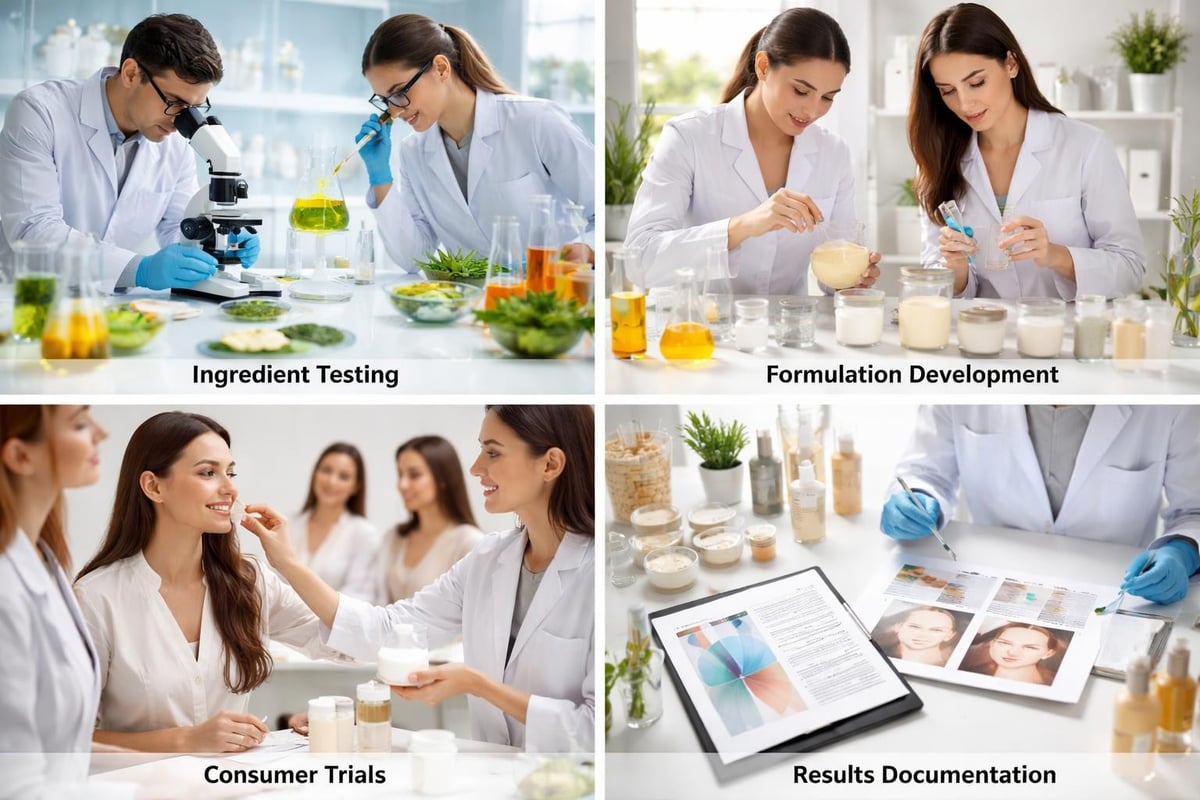
Today's consumers demand proof. They scrutinize ingredient lists, research clinical studies, and question marketing claims with unprecedented skepticism. A beauty company must therefore ground every product claim in verifiable science. This means:
- Conducting rigorous clinical trials with measurable outcomes
- Publishing transparent ingredient sourcing information
- Partnering with dermatologists and nutritional scientists
- Investing in proprietary research and development
- Creating educational content that explains the science behind formulations
The integration of supplements into beauty regimens represents a particularly significant trend. Consumers increasingly recognize that true beauty radiates from within, making ingestible beauty products a cornerstone of comprehensive wellness strategies.
Technology Integration and Personalization
The beauty tech market is projected to reach USD 172.99 billion by 2030, reflecting the industry's digital transformation. A beauty company that embraces technological innovation creates superior customer experiences and operational efficiencies. Artificial intelligence, augmented reality, and data analytics have moved from experimental novelties to essential business tools.
AI-Driven Personalization
Personalization has become table stakes in the beauty industry. Generic product recommendations no longer resonate with consumers who expect tailored solutions for their unique needs. Advanced platforms analyze skin type, lifestyle factors, environmental conditions, and personal preferences to suggest optimized product combinations.
Companies like Revieve have pioneered AI and AR solutions that transform how consumers discover and purchase beauty products. A beauty company can leverage similar technologies to:
- Assess individual skin conditions through smartphone cameras and diagnostic questionnaires
- Recommend personalized routines based on comprehensive data analysis
- Track progress over time with before-and-after comparisons
- Adjust recommendations as skin conditions, seasons, and goals change
- Create virtual try-on experiences that reduce purchase uncertainty
This technological sophistication extends beyond customer-facing applications. Backend systems optimize inventory management, predict demand patterns, and streamline supply chain operations.
Market Trends Reshaping the Industry
Several macro trends fundamentally reshape how every beauty company operates. Understanding and adapting to these shifts separates market leaders from followers. The top trends in beauty and personal care reveal consumer priorities that smart companies integrate into their strategic planning.
Clean Beauty and Transparency
Clean beauty has evolved from niche preference to mainstream expectation. Consumers actively avoid questionable ingredients, demanding products free from parabens, sulfates, synthetic fragrances, and other controversial compounds. A beauty company must demonstrate commitment to:
- Ingredient safety: Using only proven safe components
- Environmental responsibility: Minimizing ecological impact
- Ethical sourcing: Ensuring fair labor practices throughout supply chains
- Packaging sustainability: Reducing plastic waste and utilizing recyclable materials
- Honest marketing: Avoiding greenwashing and making only substantiated claims
The challenge lies in maintaining product efficacy while meeting these stringent standards. Premium natural ingredients often cost more than synthetic alternatives, requiring a beauty company to balance quality with profitability.
Inclusivity and Diversity
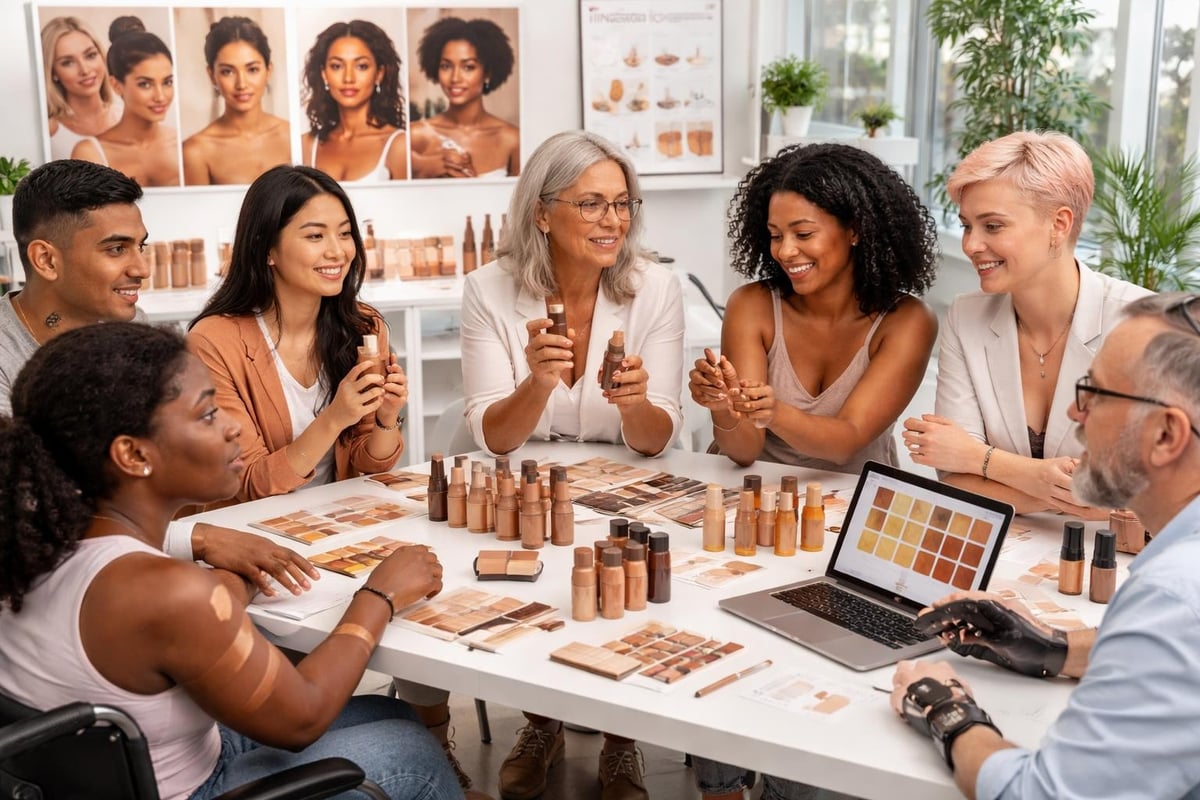
The beauty industry has historically failed to serve all consumers equally. Progressive companies recognize that beauty transcends narrow demographic boundaries. Successful initiatives include:
| Initiative | Implementation | Impact |
|---|---|---|
| Extended shade ranges | 40+ foundation shades | Serves diverse skin tones |
| Gender-neutral products | Inclusive branding and packaging | Expands market reach |
| Adaptive beauty tools | Ergonomic designs for all abilities | Improves accessibility |
| Multicultural marketing | Authentic representation | Builds consumer trust |
A beauty company that authentically embraces diversity doesn't just capture market share; it contributes to positive social change.
Weight Management Integration
The convergence of beauty and wellness creates natural synergies, particularly in weight management. Consumers increasingly view physical fitness, nutritional supplementation, and beauty care as interconnected elements of holistic health. A beauty company that offers comprehensive solutions across these categories positions itself as a lifestyle partner rather than merely a product vendor.
Supplement Innovation
Science-backed supplements address beauty concerns from the inside out. Collagen supplementation supports skin elasticity and joint health, while specialized formulations target fat metabolism and body composition. The most effective approaches combine:
- Bioavailable ingredients that the body can efficiently absorb and utilize
- Synergistic formulations where components work together for enhanced effects
- Clinical documentation proving measurable results
- Transparent labeling showing exact quantities of active ingredients
- Quality manufacturing following pharmaceutical-grade standards
Products like advanced body contouring supplements exemplify this integration, offering targeted support for specific wellness goals.
Digital Marketing and Social Commerce
Social media fundamentally changed how a beauty company connects with consumers. The influence of social media on the beauty and wellness market cannot be overstated, with platforms driving product discovery, education, and purchasing decisions.
Content Strategy Excellence
Effective digital presence requires consistent, valuable content that educates and entertains. A beauty company should develop:
- Educational content explaining ingredient benefits and application techniques
- User-generated content showcasing real customer results
- Expert collaborations with dermatologists, nutritionists, and aestheticians
- Behind-the-scenes transparency demonstrating manufacturing and quality control
- Interactive experiences encouraging community engagement and feedback
The most successful strategies balance promotional messaging with genuine value delivery. Consumers tolerate advertising only when surrounded by helpful, relevant content.
Influencer Partnerships
Strategic influencer collaborations extend reach and build credibility. However, authenticity matters more than follower counts. A beauty company benefits most from partnerships with influencers who:
- Genuinely use and believe in the products
- Align with brand values and messaging
- Maintain engaged, relevant audiences
- Create high-quality, educational content
- Disclose partnerships transparently
Micro-influencers often deliver better ROI than celebrity endorsements, particularly when targeting niche demographics or specialized product categories.
Global Expansion and Manufacturing Challenges
International growth presents both opportunities and obstacles. Despite market slowdowns in certain regions, the cosmetics industry continues expanding production capacity, demonstrating long-term confidence in sector growth.
Navigating International Regulations
A beauty company entering new markets must navigate complex regulatory frameworks. Requirements vary dramatically across jurisdictions:
| Region | Key Requirements | Approval Timeline |
|---|---|---|
| European Union | REACH compliance, ingredient restrictions | 6-12 months |
| United States | FDA oversight, GRAS ingredients | 3-6 months |
| China | Animal testing (changes in 2026), registration | 12-24 months |
| Japan | Quasi-drug classifications, specific labeling | 6-18 months |
Recent developments highlight these complexities. For instance, tariffs have significantly impacted French cosmetics sales in the U.S., demonstrating how political and economic factors influence international business strategies.
Experiential Beauty and Travel Integration
Innovative companies extend beyond traditional product sales to offer immersive experiences. Exclusive travel programs create memorable brand interactions while providing unique value to customers. A beauty company that curates wellness retreats, spa experiences, or educational journeys differentiates itself through experiential marketing.

Building Community Through Experiences
Physical and virtual communities strengthen customer loyalty and lifetime value. Successful programs include:
- Wellness retreats combining product education with relaxation and rejuvenation
- Virtual masterclasses teaching application techniques and self-care routines
- Ambassador programs rewarding loyal customers with insider access
- Pop-up experiences bringing digital brands into physical retail spaces
- Subscription communities offering exclusive content and early product access
These initiatives transform transactional relationships into emotional connections that transcend individual purchase decisions.
Retail Evolution and Distribution Strategies
The relationship between online and offline retail continues evolving. A beauty company must develop omnichannel strategies that leverage each channel's unique strengths. Direct-to-consumer models offer higher margins and customer data access, while retail partnerships provide discovery opportunities and immediate gratification.
Subscription Models and Recurring Revenue
Subscription services create predictable revenue streams while increasing customer retention. Effective subscription programs feature:
- Flexibility allowing customers to pause, skip, or modify deliveries
- Personalization adjusting products based on consumption patterns and preferences
- Exclusive benefits providing subscriber-only perks and discounts
- Educational content supporting optimal product usage
- Seamless logistics ensuring reliable, timely delivery
Companies offering comprehensive signature collections demonstrate how bundled products create superior value while simplifying purchasing decisions.
Data Analytics and Customer Insights
Every customer interaction generates valuable data. A beauty company that effectively captures, analyzes, and acts on this information gains competitive advantages. Sophisticated analytics platforms track:
- Purchase patterns revealing cross-sell and upsell opportunities
- Engagement metrics identifying high-value content and channels
- Product performance highlighting bestsellers and underperformers
- Customer lifetime value segmenting audiences for targeted marketing
- Churn indicators flagging at-risk customers for retention campaigns
Privacy regulations require transparent data handling practices. Companies must balance analytical sophistication with ethical data stewardship, clearly communicating how customer information is used and protected.
Innovation in Product Formats and Delivery Systems
Traditional creams, serums, and capsules face competition from innovative delivery mechanisms. A beauty company investing in next-generation formats captures consumer attention and addresses unmet needs. Emerging innovations include:
- Microencapsulation protecting active ingredients until application
- Transdermal patches delivering nutrients directly through skin
- Waterless formulations concentrating active ingredients while reducing environmental impact
- Probiotic beauty supporting skin microbiome health
- Custom-blended products mixed immediately before use for maximum freshness
These technological advances require significant research investment but offer substantial differentiation opportunities in crowded markets.
Quality Control and Manufacturing Excellence
Behind every successful beauty company lies rigorous quality assurance. Consumers trust brands that consistently deliver safe, effective products. Essential quality systems include:
| System Component | Purpose | Implementation |
|---|---|---|
| Ingredient verification | Confirms purity and potency | Third-party testing |
| Batch testing | Ensures consistency | Statistical process control |
| Stability testing | Validates shelf life | Accelerated aging protocols |
| Microbial testing | Prevents contamination | Regular environmental monitoring |
| Customer feedback loops | Identifies issues early | Systematic review processes |
Manufacturing partners must meet pharmaceutical-grade standards, maintaining detailed documentation and traceability throughout production processes.
Social Responsibility and Corporate Values
Modern consumers evaluate companies holistically, considering environmental impact, labor practices, and community contributions alongside product quality. A beauty company demonstrating authentic commitment to social responsibility builds deeper customer loyalty. Meaningful initiatives include:
- Carbon neutrality through operational efficiency and offset programs
- Fair trade sourcing ensuring equitable compensation for ingredient suppliers
- Charitable partnerships supporting relevant causes like cancer research or domestic violence prevention
- Employee wellness programs extending health commitments to internal teams
- Transparent reporting documenting progress toward sustainability goals
These values must permeate organizational culture rather than existing as marketing veneers. Consumers quickly detect and reject superficial corporate social responsibility.
The beauty and wellness industry rewards companies that combine scientific rigor, technological innovation, and authentic consumer connection. Success in 2026 requires balancing multiple priorities: clinical efficacy, sustainability, personalization, and experiential value. Whether you're seeking superior skincare solutions or comprehensive wellness support, the right partner makes all the difference. Body and Beauty offers science-backed supplements, premium skincare, weight management solutions, and exclusive travel programs designed to support your complete wellness journey.
This blog is unofficial and in no way connected to NuevaLife.com or its products sold on bodynbeauty.com. It is the blog of an affiliate social marketer.


