


Choosing the right wellness supplements can feel confusing when every bottle promises radiant skin or increased energy. For American women balancing busy schedules and wellness goals, understanding the truth behind supplement definitions and regulations is essential. This article reveals critical concepts and clears up common misconceptions so you can confidently select products that truly support your health, beauty, and entrepreneurial ambitions in holistic wellness.
Table of Contents
- Supplements Defined: Core Concepts And Misconceptions
- Major Types Of Wellness Supplements
- Science-Backed Benefits For Health And Beauty
- Safe Use, Risks, And Potential Interactions
- Supplement Regulation, Labels, And Quality Control
- Supplements In Lifestyle And Entrepreneurship
Key Takeaways
| Point | Details |
|---|---|
| Understanding Supplements | Dietary supplements are not replacements for a balanced diet and vary widely in efficacy. |
| Consult Healthcare Professionals | Always seek medical advice before starting any supplement regimen, especially for interactions. |
| Regulatory Awareness | Supplements lack the stringent regulation of pharmaceuticals; quality control relies on manufacturers. |
| Informed Choices | Consumers should scrutinize label accuracy and opt for products backed by third-party testing. |
Supplements Defined: Core Concepts and Misconceptions
Dietary supplements represent a complex and often misunderstood category of nutritional products designed to complement an individual’s diet. Dietary supplements are legally defined as products intended to supplement nutritional intake through vitamins, minerals, herbs, amino acids, and other dietary substances. These products come in multiple formats including pills, capsules, powders, and liquids, each serving unique wellness objectives.
Understanding the fundamental characteristics of supplements requires distinguishing them from conventional foods and pharmaceutical drugs. Unlike medications, supplements are not subjected to the same rigorous pre-market approval processes. Regulatory frameworks around supplements focus more on labeling accuracy and safety standards rather than proving therapeutic efficacy. This distinction creates significant implications for consumer understanding and product selection.
Common misconceptions about supplements often stem from incomplete knowledge about their purpose and regulation. Key areas of confusion include:
- Supplements are NOT replacements for balanced diets
- Scientific evidence varies widely between different supplement types
- Natural does not automatically mean safe or effective
- Individual supplement responses can differ dramatically based on personal health conditions
Comprehensive research reviews consistently emphasize the importance of understanding supplement limitations. Consumers should approach supplements as potential nutritional enhancements, not miraculous cure-alls. Professional medical consultation remains critical before starting any new supplement regimen.
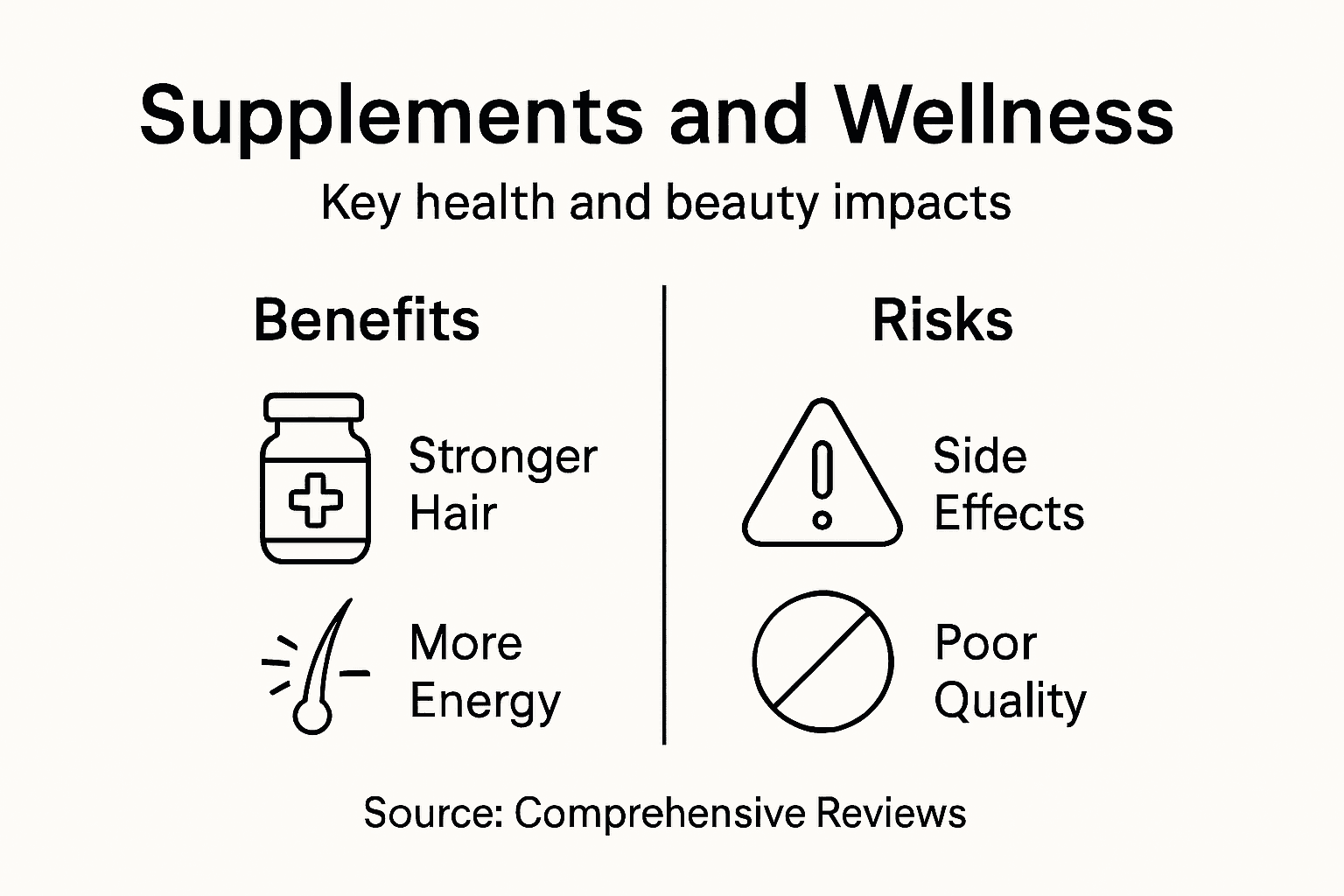
Pro tip: Always consult healthcare professionals and review third-party testing certifications before incorporating new supplements into your wellness routine.
Major Types of Wellness Supplements
Wellness supplements encompass a diverse range of nutritional products designed to support various aspects of human health. Major supplement categories typically include vitamins, minerals, herbal supplements, protein powders, and specialized nutritional formulations. Each category serves unique physiological functions, addressing specific wellness objectives from immune support to athletic performance enhancement.
The landscape of wellness supplements can be broadly categorized into several key types, each targeting different health dimensions. Nutritional supplements focus on addressing potential dietary gaps, while functional supplements aim to support specific bodily systems. Common categories include:
- Vitamins and Minerals
- Herbal and Botanical Supplements
- Protein and Amino Acid Supplements
- Omega-3 Fatty Acid Supplements
- Probiotics and Digestive Health Supplements
- Sports Nutrition and Performance Enhancers
Comprehensive supplement classifications reveal intricate distinctions between supplement types. For instance, immune support supplements differ significantly from those designed for energy metabolism or weight management. Understanding these nuanced differences helps consumers make more informed nutritional choices aligned with their individual health goals.
Each supplement category presents unique benefits and potential limitations. Vitamins and minerals typically address nutritional deficiencies, while herbal supplements often target specific wellness concerns like stress reduction or cognitive function. Performance supplements cater to athletes and fitness enthusiasts, providing targeted nutritional support for enhanced physical capabilities.
Here is a summary of major supplement categories and their typical wellness roles:
| Category | Primary Function | Typical Users |
|---|---|---|
| Vitamins & Minerals | Address nutritional gaps | General population |
| Herbal/Botanical | Target specific concerns | Adults seeking alternatives |
| Protein & Amino Acids | Support muscle growth | Athletes, fitness enthusiasts |
| Omega-3 Fatty Acids | Heart and joint support | Aging adults, heart health seekers |
| Probiotics & Digestive | Improve gut health | Those with digestive issues |
| Performance Enhancers | Boost energy, stamina | Athletes, active individuals |
Pro tip: Consult healthcare professionals to develop a personalized supplement strategy tailored to your specific health profile and nutritional needs.
Science-Backed Benefits for Health and Beauty
Evidence-based dietary supplements represent a powerful approach to enhancing overall wellness, targeting both internal health and external beauty. Scientific research has increasingly validated the potential of specific nutritional compounds to support physiological functions, offering targeted benefits beyond traditional dietary nutrition. These supplements demonstrate remarkable potential in addressing multiple health dimensions simultaneously.
Key scientifically supported supplements with significant health and beauty impacts include:
- Omega-3 Fatty Acids: Supports cardiovascular health and reduces skin inflammation
- Collagen Peptides: Promotes skin elasticity and joint health
- Vitamin D: Enhances immune function and supports bone density
- Hyaluronic Acid: Improves skin hydration and joint lubrication
- Protein Powders: Supports muscle development and tissue repair
- Probiotics: Enhances digestive health and skin clarity
Research perspectives highlight the complex interactions between nutritional supplements and human physiology. While some supplement benefits are well-established, others require additional investigation. The most promising compounds demonstrate measurable impacts on metabolic processes, cellular regeneration, and overall systemic wellness.

Nutritional science continues to evolve, revealing intricate connections between supplementation and holistic health. Supplements targeting specific biochemical pathways can potentially modulate inflammation, support cellular repair mechanisms, and optimize metabolic functions. Understanding these nuanced interactions empowers individuals to make informed choices about their wellness strategies.
Pro tip: Consult healthcare professionals to develop a personalized supplement strategy that aligns with your unique physiological needs and wellness objectives.
Safe Use, Risks, and Potential Interactions
Supplement safety considerations require careful navigation, as these nutritional products are not regulated with the same stringency as prescription medications. While dietary supplements can offer significant health benefits, they also carry potential risks that demand informed and cautious consumption. Understanding these nuanced interactions is crucial for maintaining personal wellness and preventing unintended health complications.
Key risks and interaction considerations include:
- Potential interactions with prescription medications
- Variations in supplement quality and purity
- Individual metabolic differences affecting absorption
- Potential allergic or adverse reactions
- Cumulative effects of multiple supplement combinations
- Contamination or mislabeling risks
Supplement safety guidelines emphasize the critical importance of professional medical consultation before initiating any new supplement regimen. Certain supplements can significantly alter drug metabolism, potentially reducing medication efficacy or creating unexpected physiological responses. For instance, St. John’s wort can dramatically interfere with antidepressant treatments and compromise birth control pill effectiveness.
Most supplement-related risks stem from lack of comprehensive regulation and individual physiological variations. Some herbal supplements may contain undeclared ingredients, interact unpredictably with medications, or trigger allergic responses. Consumers must approach supplementation with scientific skepticism, understanding that natural does not automatically mean safe.
Pro tip: Always maintain a comprehensive list of all supplements and medications to share with healthcare providers during medical consultations.
Supplement Regulation, Labels, and Quality Control
Dietary supplement regulations in the United States operate under a unique framework that differs significantly from pharmaceutical drug oversight. Unlike medications, supplements do not require pre-market approval from the Food and Drug Administration (FDA), creating a complex landscape for consumer safety and product quality. This regulatory approach places substantial responsibility on manufacturers to ensure product integrity and accurate labeling.
Key regulatory considerations for supplements include:
- FDA does not test supplements before market entry
- Manufacturers must ensure product safety independently
- Labels must accurately represent ingredient contents
- Health claims require scientific substantiation
- Companies are responsible for product quality control
- Mislabeling can result in regulatory penalties
European supplement regulations provide additional insights into global quality control mechanisms. These guidelines emphasize comprehensive labeling requirements, including recommended daily dosages, potential health warnings, and strict protocols for vitamin and mineral content declarations. The objective is to protect consumers from misleading information and potential health risks associated with inadequately regulated nutritional products.
Consumers should approach supplement selection with critical scrutiny, understanding that current regulatory frameworks have inherent limitations. Supplement quality depends on manufacturer integrity, third-party testing, and adherence to good manufacturing practices. Transparency in ingredient sourcing, potential allergen information, and clear dosage instructions are essential markers of a reputable supplement product.
Below is a comparison of supplement regulatory practices in the U.S. and Europe:
| Aspect | United States | Europe |
|---|---|---|
| Pre-market Approval | Not required by FDA | Required for certain claims |
| Labeling Standards | Ingredients and claims monitored | Dosage, warnings mandatory |
| Quality Control | Manufacturer’s responsibility | Stricter government oversight |
| Health Claims | Must be backed by science | Scientific substantiation essential |
Pro tip: Look for supplements with third-party testing certifications and comprehensive ingredient transparency to ensure higher quality and safety standards.
Supplements in Lifestyle and Entrepreneurship
Lifestyle entrepreneurship represents a dynamic intersection between personal wellness aspirations and business innovation. Modern entrepreneurs are increasingly recognizing supplements as more than mere products – they are gateways to holistic lifestyle transformations. This emerging paradigm blends personal health goals with strategic business opportunities, creating unique pathways for wellness-focused professionals.
Key entrepreneurial dimensions in the supplement landscape include:
- Health and wellness coaching
- Direct sales and network marketing
- Online supplement retail platforms
- Personal branding through wellness expertise
- Development of niche supplement product lines
- Social media influencer marketing in health sectors
Sport and fitness entrepreneurship highlights the profound connection between wellness supplements and lifestyle businesses. Entrepreneurs are no longer just selling products; they are curating comprehensive wellness experiences. Lifestyle entrepreneurs leverage personal transformation narratives, scientific credibility, and community building to create compelling business models that transcend traditional product marketing.
The supplement industry offers multifaceted entrepreneurial opportunities that extend beyond traditional retail. Successful entrepreneurs understand that supplements represent more than nutritional products – they are tools for personal empowerment, health optimization, and lifestyle design. By combining scientific knowledge, personal authenticity, and strategic marketing, wellness entrepreneurs can create meaningful business ventures that resonate with health-conscious consumers.
Pro tip: Develop a unique personal wellness story that authentically connects your supplement business with genuine lifestyle transformation experiences.
Elevate Your Health and Beauty with Science-Backed Wellness Solutions
Understanding the real impact of supplements on your health and beauty can be challenging. The article highlights that not all supplements are created equal and stresses the importance of science-backed formulations tailored to your unique physiological needs. If you are seeking effective ways to bridge nutritional gaps, boost your skin’s vitality, and support holistic wellness, you are not alone. Many people want supplements that truly deliver benefits without risks or confusion. This is where informed choices and trusted products become essential.
Discover our premium collections at Nueva Life Products featuring carefully crafted supplements designed for performance, fitness, and anti-aging support. Complement your regimen with expert advice from our Guide to Wellness Skincare to enhance your natural beauty with proven ingredients. Join a vibrant community that shares your passion for health optimization and lifestyle enhancement through Beauty & Fitness.
Take the first step toward real transformation by visiting https://bodynbeauty.org today. Experience premium wellness solutions that combine physical health, beauty, and financial independence in one empowering platform. Start your journey now and make wellness a lifestyle, not just a goal.
Frequently Asked Questions
What are dietary supplements and how do they differ from medication?
Dietary supplements are nutritional products intended to complement one’s diet, including vitamins, minerals, herbs, amino acids, and other substances. Unlike medications, supplements are not subjected to rigorous pre-market approval processes and focus more on labeling accuracy and safety standards.
How can supplements enhance health and beauty?
Supplements can support various health and beauty aspects by providing essential nutrients that may be lacking in the diet. For instance, omega-3 fatty acids improve heart health and reduce skin inflammation, while collagen peptides promote skin elasticity and joint health.
Are there risks associated with using dietary supplements?
Yes, there are potential risks, including interactions with medications, variations in product quality, and allergic reactions. It’s crucial to consult healthcare professionals before starting new supplements to ensure safe usage and appropriate combinations.
How can I choose high-quality supplements?
To choose high-quality supplements, look for third-party testing certifications, comprehensive ingredient transparency, and adherence to good manufacturing practices. Always review labels for accurate information on contents and health claims.
Recommended
- Supplements Set Guide: Your Essential 2026 Wellness Companion – Nueva Life: Premium Wellness Products, Beauty & Travel.
- The Essential Guide to Wellness Skincare in 2026 – Nueva Life: Premium Wellness Products, Beauty & Travel.
- Ultimate Guide to Health Beauty Care for Radiant Wellness 2026 – Nueva Life: Premium Wellness Products, Beauty & Travel.
- Beauty Full Skin Wellness Guide: Your Path to Radiance 2026 – Nueva Life: Premium Wellness Products, Beauty & Travel.

