


The wellness products company landscape is transforming rapidly as we approach 2026. New technologies, scientific discoveries, and changing lifestyles are fueling unprecedented growth and innovation.
However, wellness companies must also navigate shifting consumer expectations, stricter regulations, and a crowded marketplace. These challenges make it essential to stay ahead with informed strategies.
A modern wellness products company needs a clear, actionable roadmap to thrive in this evolving environment. This guide will help you understand market trends, master product development, build a trusted brand, ensure compliance, and implement proven growth strategies for lasting success.
Understanding the 2026 Wellness Market Landscape
The wellness products company environment in 2026 is evolving rapidly, shaped by consumer values, new technologies, regulatory updates, and global opportunities. To secure a leading position, companies must closely monitor changes and adapt with agility. Let’s break down the market landscape across five essential dimensions.

Evolving Consumer Trends and Demographics
The wellness products company landscape is being transformed by holistic health and personalized wellness preferences. Consumers, especially Gen Z and Millennials, are demanding clean labels and complete transparency from brands. Over two-thirds of shoppers now seek science-backed claims and proven efficacy in products.
Demand for adaptogens and nootropics is surging, reflecting a shift toward mental clarity and stress support. Brands that offer personalized solutions and clear ingredient sourcing are capturing attention. According to McKinsey’s Future of Wellness survey, these trends are expected to accelerate, making consumer trust and evidence-based marketing central to success for any wellness products company.

Key Wellness Product Categories for 2026
A wellness products company must diversify across high-growth segments. Supplements, advanced skincare, weight management aids, and mental wellness solutions are leading categories. Plant-based and functional foods are gaining traction, as are digital wellness tools and wearable tech.
Microbiome-focused skincare is a standout, leveraging scientific advances to address individual needs. Companies expanding into digital health and integrating devices with product lines are well-positioned. Staying attuned to these categories enables a wellness products company to meet evolving market demands.
Competitive Landscape and Market Leaders
Competition among wellness products company brands is intensifying as established leaders and agile disruptors vie for market share. Niche brands are emerging, targeting specific consumer needs with unique value propositions. Market leaders are investing in artificial intelligence to deliver personalized product recommendations, setting new industry standards.
The rise of data-driven strategies allows even smaller brands to compete effectively. By adopting innovative technologies and focusing on targeted customer segments, a wellness products company can differentiate itself and capture loyal audiences.
Regulatory and Compliance Shifts
The regulatory environment for any wellness products company is becoming more complex. Updates from the FDA, FTC, and international agencies require brands to maintain strict compliance. Documentation, accurate labeling, and third-party testing are now industry norms.
Recent reports show that 42% of new brands failed due to compliance issues, highlighting the importance of certifications and quality assurance. Staying current with regulatory changes is essential for a wellness products company to avoid costly setbacks and build consumer confidence.
Globalization and E-Commerce Expansion
Globalization is opening new markets for the wellness products company sector, but cross-border sales and logistics present challenges. The direct-to-consumer (DTC) model is growing, enabling brands to reach customers worldwide without traditional retail barriers.
Successful brands are leveraging global influencer partnerships to build trust and drive sales in diverse markets. Navigating international regulations, streamlining logistics, and embracing digital platforms allow a wellness products company to scale rapidly and remain competitive on a global stage.
Building a Future-Proof Wellness Product Line
Staying ahead in the wellness industry requires a clear strategy for developing, validating, and delivering exceptional products. A forward-thinking wellness products company must prioritize research, sustainability, innovation, compliance, and consumer experience to remain competitive in 2026.

Research-Backed Product Development
A successful wellness products company in 2026 starts with a foundation built on robust scientific research. Products must be validated by clinical studies, peer-reviewed evidence, or collaboration with research institutions. This approach not only enhances product credibility but also meets increasing consumer demands for transparency and proof.
For example, probiotic supplements supported by double-blind clinical studies are gaining traction. These products appeal to the growing segment of science-minded buyers. To excel, companies should establish partnerships with health professionals and academic organizations.
For a deeper dive into building and scaling a wellness products company, explore BodyNBeauty’s guide to wellness.

Ingredient Sourcing and Sustainability
Consumers now expect a wellness products company to prioritize sustainability and ethical sourcing. This means using traceable, organic, non-GMO, and cruelty-free ingredients. Transparency in sourcing is vital, as shoppers want to know where and how ingredients are harvested.
A recent Nielsen study found that 60% of consumers are willing to pay more for sustainable products. Companies should work with trusted suppliers who provide clear documentation of their practices. Environmental impact assessments and certifications, such as Fair Trade or USDA Organic, further build trust.
When ingredient sourcing aligns with environmental values, a wellness products company stands out in a crowded field.
Formulation Trends and Innovations
Innovation is the heartbeat of any wellness products company aiming for future relevance. Microbiome-friendly, adaptogenic, and bioavailable formulations are setting new standards. Companies are increasingly leveraging AI and machine learning to accelerate research and create custom blends tailored to individual needs.
For instance, DNA-based supplement blends are gaining popularity, offering truly personalized solutions. Staying current with formulation trends ensures your wellness products company remains ahead of shifting market demands.
To innovate effectively, companies should invest in R&D teams skilled in both technology and nutritional science.
Product Testing, Certification, and Quality Assurance
Rigorous product testing and third-party certifications are essential for building consumer confidence. A reputable wellness products company should comply with GMP (Good Manufacturing Practice), NSF, and other recognized standards. Transparency is further enhanced by publishing batch-specific lab results, which demonstrate a commitment to quality.
Third-party labs play a critical role in verifying ingredient purity and potency. Consistent quality assurance helps prevent costly recalls and builds long-term brand loyalty.
By integrating thorough testing and clear certification, a wellness products company can navigate regulatory complexities and reassure its customers.
Packaging, Safety, and User Experience
Packaging is no longer just about aesthetics. For a wellness products company, it is a critical touchpoint for safety, sustainability, and user engagement. Eco-friendly and tamper-evident options are increasingly expected. Smart packaging, like QR codes, allows consumers to access ingredient details instantly.
Refillable containers and accessible designs also appeal to environmentally conscious buyers. Prioritizing user experience in packaging not only reduces waste but strengthens the overall brand image.
Thoughtful packaging choices position a wellness products company as a leader in both innovation and responsibility.
This blog is unofficial and in no way connected to NuevaLife.com or its products sold on bodynbeauty.com. It is the blog of an affiliate social marketer.

Branding, Positioning, and Customer Engagement
Creating a successful wellness products company in 2026 means more than just offering quality products. Today’s consumers are seeking brands with a clear purpose, authentic stories, and meaningful engagement. Let’s explore how you can position your wellness products company to connect, inspire, and build lasting loyalty in a dynamic marketplace.

Crafting a Purpose-Driven Brand Story
Every leading wellness products company starts with a mission that resonates. Align your brand’s purpose with the values your customers care about most, such as sustainability, transparency, and holistic well-being.
Share your “why” through authentic storytelling. Founder-led brands often build trust by revealing personal wellness journeys or challenges that inspired the business. This connection transforms your wellness products company from a simple provider into a brand that feels relatable and genuine.
Transparency is essential. Clearly communicate your sourcing, product benefits, and company values across all channels. Customers are more likely to remain loyal when they believe in your mission and see it reflected in your actions.
Digital Marketing Strategies for 2026
To stand out, a wellness products company must embrace digital-first marketing strategies. Influencer partnerships remain powerful, especially when paired with authentic user-generated content (UGC). Platforms like TikTok and Instagram are vital for reaching younger audiences and showcasing product benefits through real stories.
Social commerce is on the rise. Streamline the purchasing journey by integrating shopping features directly into your social media profiles. Recent data shows 72 percent of wellness purchases are influenced by social media platforms.
Stay ahead by analyzing industry trends and consumer reviews. For example, studying Nueva Life wellness product reviews can reveal what resonates with your target audience and inform your marketing approach. This insight helps your wellness products company adapt quickly and remain relevant.
Personalization and Community Building
Personalization is key in the wellness industry. A wellness products company can boost engagement by offering tailored product recommendations, interactive quizzes, and exclusive member benefits.
Loyalty programs and online communities add value beyond the sale. Encourage customers to share their experiences, participate in forums, and provide feedback. This sense of belonging drives repeat purchases and strengthens your brand image.
Hosting events, both virtual and in-person, also helps build a thriving community. When people feel connected, they become advocates for your wellness products company, organically growing your reach.
Customer Education and Content Marketing
Educating your customers is a powerful way to build trust. A wellness products company should create science-based blogs, host webinars, and produce explainer videos to clarify product benefits and proper usage.
Combat misinformation by collaborating with experts for Q&A sessions and guest articles. This positions your wellness products company as a credible source in a crowded market.
Effective content marketing not only informs but inspires. By consistently delivering valuable information, you create a loyal audience that sees your company as a go-to resource for wellness guidance.
Reputation Management and Social Proof
In today’s digital world, reputation can make or break a wellness products company. Proactively manage reviews and testimonials, highlighting positive feedback across your website and social channels.
Third-party endorsements and certifications add credibility. In the event of a crisis or product recall, respond swiftly and transparently to maintain trust.
Monitor social sentiment and engage with customers to address concerns before they escalate. A well-managed reputation ensures your wellness products company remains resilient and trusted, even in challenging times.
This blog is unofficial and in no way connected to NuevaLife.com or its products sold on bodynbeauty.com. It is the blog of an affiliate social marketer.


Navigating Compliance, Safety, and Risk Management
Staying compliant and managing risk are critical for any wellness products company aiming for sustainable growth. As regulations evolve and consumer scrutiny intensifies, maintaining robust safety and legal protocols is no longer optional. This section breaks down the essentials every wellness products company must address to thrive in 2026.
Regulatory Environment for Wellness Products
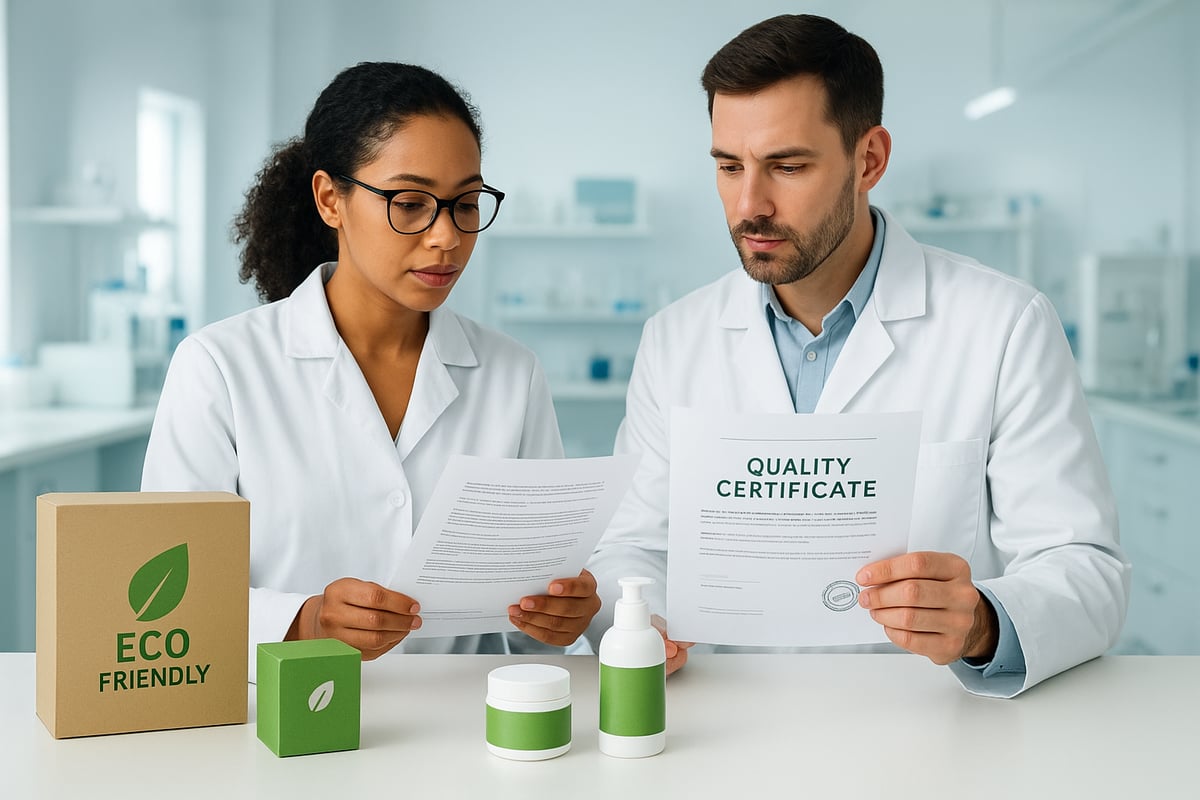
The regulatory landscape for a wellness products company in 2026 is more complex than ever. Companies must align with FDA, FTC, and international standards to avoid costly penalties and product holds. Accurate documentation and clear labeling are essential, especially as regulations adapt to new ingredients and technologies.
For example, adapting to supplement regulations requires ongoing monitoring and rapid response to new rules. Staying informed about the FDA’s revised guidance on wellness products is crucial for every wellness products company. Ensuring compliance not only protects your brand but also builds consumer trust in a crowded market.
Product Safety Protocols and Recalls
A successful wellness products company prioritizes stringent safety protocols and is always prepared for recalls. Implementing robust quality checks, batch tracking, and transparent recall procedures is vital. Staff must be trained to handle quality issues, and consumers need clear information on product safety.
Notably, compliant brands saw an 18% decrease in product recalls in 2024. This statistic highlights how proactive safety measures can save resources and protect reputation. For a wellness products company, effective recall management is a cornerstone of long-term credibility.
Intellectual Property and Brand Protection
Protecting intellectual property is a strategic necessity for any wellness products company. This includes securing patents for unique formulas, registering trademarks, and ensuring copyright for original materials. The threat of counterfeit goods and online infringement is rising, making vigilance essential.
Legal action against unauthorized resellers is becoming more common as brands defend their innovations. By investing in IP protection, a wellness products company can maintain its market edge and prevent revenue loss from imitators.
Insurance and Liability Coverage
Insurance is a foundational element of risk management for every wellness products company. Key policies include product liability, general business insurance, and coverage for cyber threats. These safeguards help mitigate the financial impact of lawsuits, recalls, or unforeseen incidents.
Product liability insurance is often required by retailers and distributors, serving as a safety net in case of adverse events. By proactively managing risk, a wellness products company demonstrates responsibility to partners, consumers, and investors alike.
This blog is unofficial and in no way connected to NuevaLife.com or its products sold on bodynbeauty.com. It is the blog of an affiliate social marketer.
Scaling and Expanding Your Wellness Business
Expanding a wellness products company in 2026 means navigating a dynamic marketplace shaped by technology, shifting consumer habits, and fierce competition. Companies must adopt strategic, data-driven approaches to stand out, grow sustainably, and meet evolving expectations. Let us explore the core pillars that drive successful scaling and expansion for a wellness products company.
Omnichannel Sales and Distribution Strategies
A thriving wellness products company leverages multiple sales channels to reach a broad audience. E-commerce platforms, retail partnerships, and subscription models are all vital. Many brands now use both Amazon and Shopify for global reach, blending direct-to-consumer convenience with brick-and-mortar presence.
International expansion introduces new logistics and regulatory challenges. Companies must optimize shipping, adapt packaging, and ensure compliance in each target market. Building a seamless, omnichannel experience is key to maintaining customer loyalty and maximizing revenue streams for any wellness products company.
Data-Driven Decision Making and Analytics
Data has become the backbone of every successful wellness products company. Tracking customer behavior, sales trends, and inventory levels allows brands to anticipate demand and reduce waste. Top companies use advanced analytics and AI for predictive modeling, ensuring products remain in stock and marketing is tailored for each segment.
According to Forbes (2025), 55% of leading brands rely on predictive analytics to drive growth. By integrating real-time dashboards and machine learning tools, a wellness products company can make informed decisions that boost efficiency, profitability, and customer satisfaction.
Strategic Partnerships and Collaborations
Collaboration is a powerful lever for scaling a wellness products company. Partnering with health professionals, fitness centers, and influencers opens doors to new audiences and co-branded offerings. Joint ventures with gyms or spas can result in exclusive products and experiential marketing opportunities.
Exploring the social marketer opportunity enables brands to tap into affiliate networks, expanding reach with lower upfront investment. Strategic alliances foster innovation and help a wellness products company stay agile in a highly competitive environment.
Funding, Investment, and Financial Planning
Securing the right funding is crucial for scaling a wellness products company. Options include bootstrapping, venture capital, and crowdfunding. Each path has unique benefits and risks, and founders must assess which aligns with their growth trajectory and values.
Notable startups in the wellness sector have secured Series A funding by demonstrating strong market potential and a scalable model. Careful cash flow management, transparent reporting, and clear financial goals set the foundation for sustainable expansion of any wellness products company.
Talent Acquisition and Team Building
A successful wellness products company relies on a skilled, passionate team. Hiring experts in product development, marketing, compliance, and logistics ensures the company can innovate and adapt quickly. Building a positive culture centered on wellness values attracts top talent and drives high performance.
Many companies now embrace remote and hybrid work models, enabling access to a wider talent pool and improving employee satisfaction. Investing in ongoing training and clear communication fosters loyalty and positions a wellness products company for long-term growth.
This blog is unofficial and in no way connected to NuevaLife.com or its products sold on bodynbeauty.com. It is the blog of an affiliate social marketer.
The Future of Wellness: Trends and Opportunities for 2026 and Beyond
The wellness products company landscape is undergoing rapid transformation as 2026 approaches. Businesses must anticipate emerging trends, adapt to technological innovation, and embrace inclusivity to remain competitive. Understanding these opportunities is crucial for building a resilient wellness products company that can thrive in a dynamic market.
Technology and Digital Health Integration
Technology is rapidly reshaping how a wellness products company connects with consumers. Innovations like wearables, health apps, and telewellness platforms are now essential for delivering personalized experiences. Smart supplements that sync with mobile health data allow users to track nutrition and wellness in real time, creating a seamless ecosystem.
According to global health and wellness market projections, industry growth is expected to accelerate as digital health solutions become mainstream. For a wellness products company, integrating technology not only enhances user engagement but also provides valuable data for product innovation.
The Rise of Experiential Wellness
Consumers are seeking more than products; they want transformative experiences. The modern wellness products company is expanding into retreats, immersive events, and wellness travel. These offerings help customers connect deeply with their well-being.
For instance, companies now curate wellness vacations and hands-on workshops, blending education with relaxation. This trend enables a wellness products company to foster brand loyalty while offering unique value in an increasingly crowded market.
Diversity, Equity, and Inclusion in Wellness
Inclusivity is no longer optional for a successful wellness products company. Representation in product development and marketing is vital for reaching today’s diverse consumer base. Recent data shows 48% of consumers prefer brands with inclusive values.
Companies are rethinking formulas, packaging, and campaigns to ensure accessibility for all. By prioritizing diversity, a wellness products company can build trust and broaden its appeal, supporting a more equitable industry.
Preparing for Market Disruptions and Future Shifts
Agility is key for any wellness products company aiming to weather future disruptions. Scenario planning and flexible business models help companies adapt quickly to change. Learning from past events, such as global health crises and supply chain issues, is essential.
Many brands have successfully pivoted to virtual wellness offerings, proving the importance of resilience. By staying prepared and responsive, a wellness products company positions itself to capitalize on new opportunities as the market evolves.
This blog is unofficial and in no way connected to NuevaLife.com or its products sold on bodynbeauty.com. It is the blog of an affiliate social marketer.
As we look ahead to 2026, it is clear that navigating the ever evolving wellness industry requires more than just passion—it takes a strategic approach, science backed products, and a genuine commitment to your customers well being. Whether you are drawn to innovative supplements, advanced skincare, holistic weight management, or exclusive wellness travel experiences, this guide gives you the roadmap you need to succeed. If you are ready to take your vision further and build a wellness business that stands out in a competitive market, I encourage you to Start your wellness business now.

Disclaimer: These statements have not been evaluated by the Food and Drug Administration. Nueva Life Slim Beauty is not intended to diagnose, treat, cure, or prevent any disease. This blog is unofficial and in no way connected to NuevaLife.com or its products sold on bodynbeauty.com. It is the blog of an affiliate social marketer.


