


The skincare industry has evolved dramatically over the past decade, with beauty creams becoming increasingly sophisticated in their formulations and delivery mechanisms. Today's consumers demand more than superficial promises-they seek products backed by clinical research, transparent ingredient lists, and measurable results. Understanding how these formulations work, what ingredients deliver real benefits, and how to navigate the crowded marketplace has become essential for anyone serious about maintaining healthy, radiant skin.
The Science Behind Modern Beauty Cream Formulations
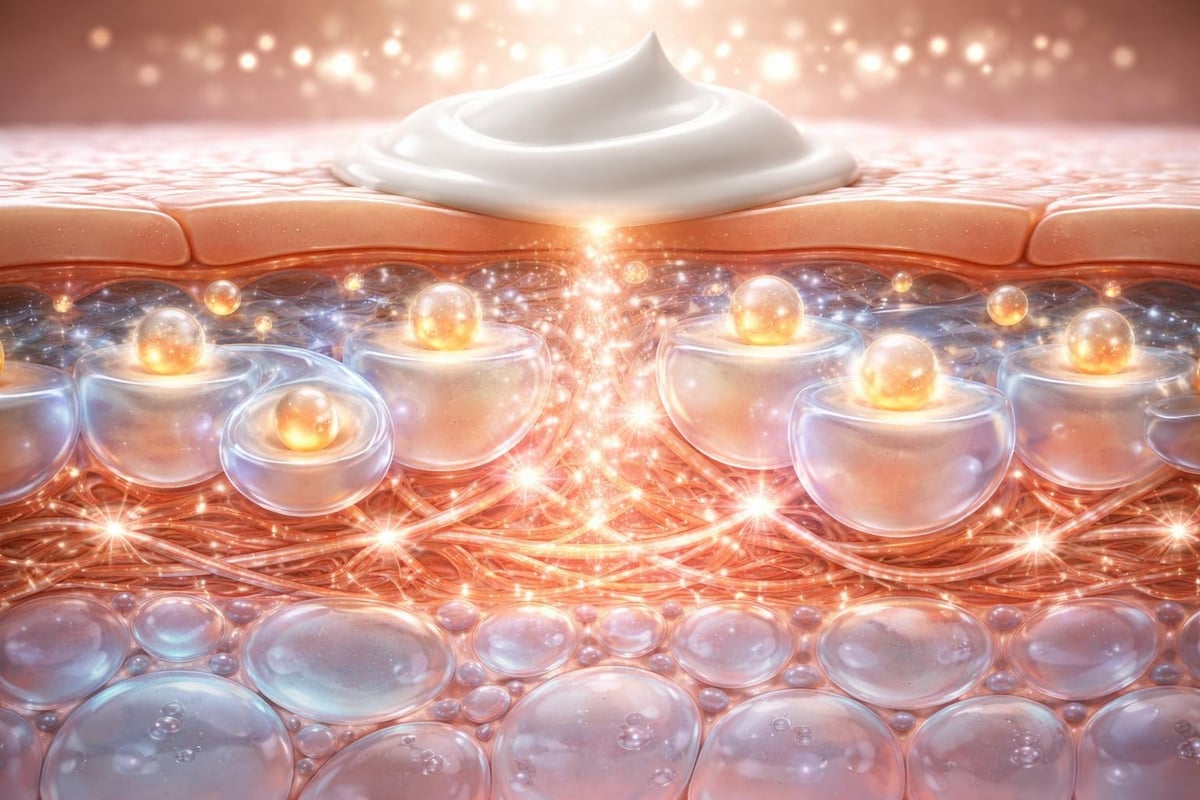
Beauty creams have transformed from simple moisturizers into complex delivery systems designed to penetrate skin barriers and address specific concerns at the cellular level. Modern formulations combine active ingredients with advanced carrier technologies that enhance absorption and efficacy.
The fundamental structure of effective beauty creams includes three key components: active ingredients that target specific skin concerns, emollients that soften and smooth the skin, and humectants that draw moisture into the skin. Ceramides, peptides, retinoids, and antioxidants represent the cornerstone active ingredients in premium formulations.
Understanding Active Ingredient Concentrations
The concentration of active ingredients determines a cream's effectiveness, but higher percentages don't always mean better results. Skin tolerance, ingredient stability, and delivery mechanisms all influence how well a product performs.
| Ingredient Type | Optimal Concentration | Primary Benefit | Skin Type Compatibility |
|---|---|---|---|
| Retinol | 0.25% – 1.0% | Anti-aging, texture | All types (gradually introduce) |
| Vitamin C | 10% – 20% | Brightening, protection | Normal to oily |
- Hyaluronic Acid | 0.5% – 2.0% | Hydration, plumping | All types |
| Peptides | 3% – 5% | Firming, repair | All types |
| Niacinamide | 2% – 10% | Barrier repair, oil control | All types |
Dr. Jane Yoo discusses the regulatory challenges of cosmeceuticals, highlighting how beauty creams that claim pharmaceutical-like benefits often exist in a gray area between cosmetics and drugs. This underscores the importance of understanding what products can realistically deliver.
Navigating Ingredient Claims and Marketing Hype
The beauty industry generates billions annually, with marketing campaigns often overshadowing scientific evidence. Consumers must develop critical thinking skills to distinguish between legitimate innovation and clever packaging.
Buzzwords like "clinical strength," "dermatologist-tested," and "laboratory-proven" appear frequently on beauty cream labels, but these terms lack standardized definitions. A product claiming to be dermatologist-tested might have been reviewed by a single practitioner without rigorous clinical trials.
Decoding Common Marketing Terms
Understanding the language used on beauty cream packaging helps consumers make informed decisions:
- Hypoallergenic: Suggests reduced allergen risk but has no legal definition
- Non-comedogenic: Formulated to not clog pores, though testing standards vary
- Fragrance-free: Contains no added fragrance but may include masking agents
- Clean beauty: Marketing term with no regulatory meaning
- Natural: Implies plant-based ingredients but doesn't guarantee safety or efficacy
Understanding clarity in cosmetics and ingredient misinformation becomes crucial when evaluating product claims. The source of information matters as much as the information itself.
Many premium beauty creams available through Body and Beauty’s curated selection prioritize transparency and science-backed formulations over marketing gimmicks. This approach aligns with the growing consumer demand for authenticity in skincare.
Matching Beauty Creams to Specific Skin Concerns
Different skin concerns require targeted formulations with specific active ingredients. Understanding which beauty creams address particular issues prevents wasted investment and potential irritation from incompatible products.
Age-Related Concerns and Anti-Aging Formulations
Mature skin requires beauty creams that address multiple concerns simultaneously: fine lines, loss of elasticity, uneven tone, and decreased moisture retention. Retinoids remain the gold standard for stimulating collagen production and accelerating cell turnover.
Peptide-rich formulations complement retinoid treatments by signaling skin cells to produce more structural proteins. Combining these ingredients with antioxidants like vitamin C and E provides comprehensive protection against environmental stressors that accelerate aging.
For those exploring comprehensive beauty solutions, integrating beauty creams with complementary treatments like collagen supplements creates a holistic approach to skin health.
Hydration and Barrier Repair
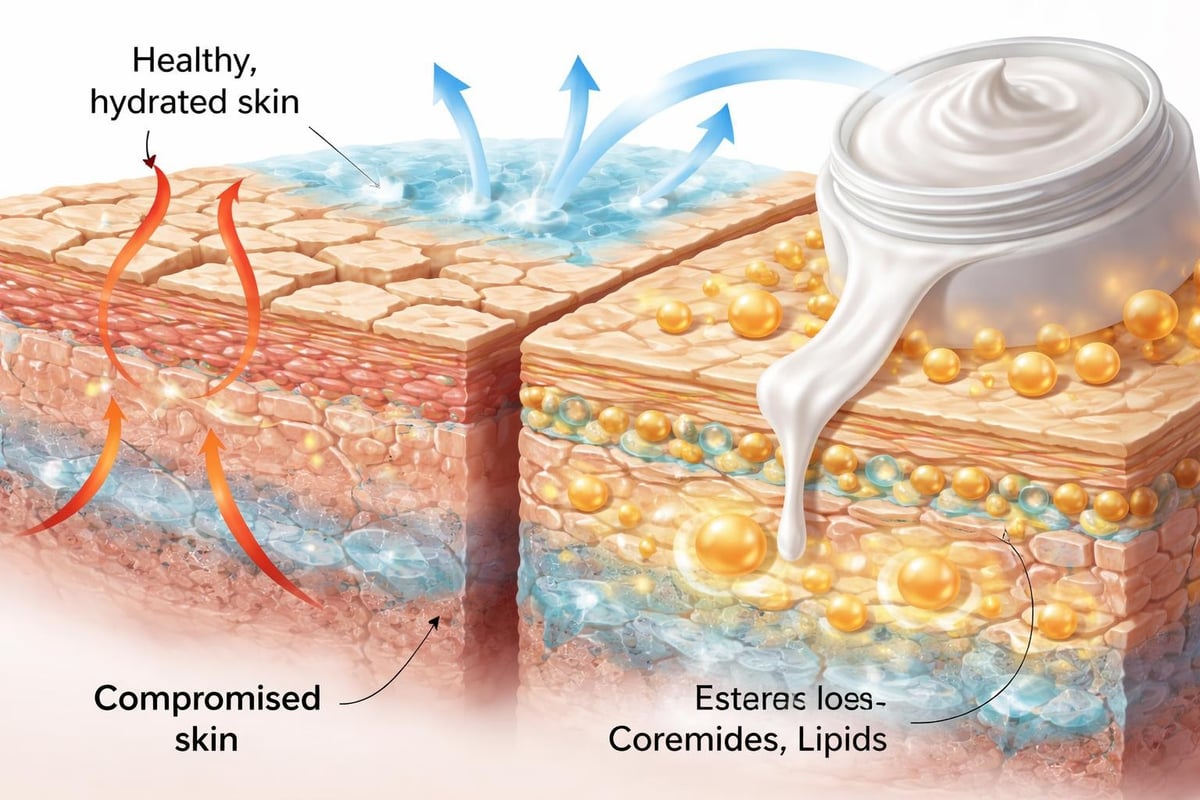
Dehydrated skin lacks water content, while dry skin lacks oil production. Beauty creams addressing hydration typically feature hyaluronic acid, which holds up to 1000 times its weight in water, creating a moisture reservoir within the skin.
Barrier repair formulations focus on strengthening the skin's protective lipid layer through ceramides, cholesterol, and fatty acids in specific ratios that mimic natural skin composition. This approach proves particularly effective for sensitive or compromised skin.
The following ingredients work synergistically for optimal barrier function:
- Ceramides (three types: ceramide 1, 3, and 6-II)
- Cholesterol (maintains lipid fluidity)
- Free fatty acids (linoleic and palmitic acid)
- Niacinamide (stimulates natural ceramide production)
- Glycerin (humectant that attracts environmental moisture)
The Role of Delivery Systems in Beauty Cream Efficacy
Even the most potent ingredients prove ineffective if they cannot penetrate the skin's protective barrier. Advanced delivery systems represent one of the most significant innovations in modern beauty cream technology.
Liposomal encapsulation, microencapsulation, and nanotechnology enable active ingredients to bypass the stratum corneum and deliver benefits to deeper skin layers. These technologies protect sensitive ingredients from degradation and control release rates for sustained effects.
Comparing Traditional Versus Advanced Formulations
| Feature | Traditional Creams | Advanced Technology Creams |
|---|---|---|
| Penetration Depth | Surface layer only | Reaches dermis layer |
| Ingredient Stability | Degrades quickly | Protected encapsulation |
| Release Pattern | Immediate | Time-released |
| Efficacy Timeline | 8-12 weeks | 4-8 weeks |
| Price Point | $20-$50 | $75-$200+ |
Allure magazine’s rigorous review process evaluates beauty creams using standardized protocols that assess both traditional and innovative formulations. This type of objective evaluation helps consumers understand whether advanced delivery systems justify premium pricing.
The integration of science-backed supplements with topical beauty creams creates a comprehensive approach to skin health. Products available through Body and Beauty’s wellness programs demonstrate how internal and external care work synergistically.
Application Techniques That Maximize Results
The most sophisticated beauty creams deliver suboptimal results when applied incorrectly. Proper application techniques enhance absorption, prevent waste, and ensure active ingredients reach their intended targets.
Optimal Application Protocol
Skin preparation determines how effectively beauty creams penetrate. Cleansing removes surface debris and excess oils that create barriers to absorption. Applying products to slightly damp skin enhances penetration for water-based formulations.
The order of application matters significantly:
- Cleanser (removes impurities)
- Toner or essence (balances pH, preps skin)
- Serums (lightweight, concentrated actives)
- Beauty creams (seals in previous layers)
- Sun protection (morning routine only)
Quantity matters more than frequency. Using excessive product doesn't enhance results and may cause congestion or irritation. A pea-sized amount suffices for the entire face, while a dime-sized amount covers face and neck.
Massage and Absorption Techniques
Gentle upward motions promote lymphatic drainage while ensuring even distribution. Pressing products into skin rather than rubbing reduces friction and irritation, particularly important for sensitive or mature skin.
Temperature also affects absorption. Warming beauty creams between clean palms before application enhances spreadability and penetration. Some formulations benefit from brief facial massage that increases blood flow and creates a temporary increase in skin temperature.
Seasonal Adjustments and Environmental Considerations
Skin's needs fluctuate with seasonal changes, environmental conditions, and lifestyle factors. The same beauty cream that works perfectly in humid summer months may prove inadequate during dry winter conditions.
Winter months demand richer, more occlusive formulations that prevent transepidermal water loss in cold, dry air. Ingredients like shea butter, squalane, and dimethicone create protective barriers without clogging pores.
Summer formulations should be lighter, with an emphasis on hydration over occlusion. Gel-cream hybrids provide moisture while feeling weightless on skin. Year-round sun protection remains non-negotiable, with many modern beauty creams incorporating broad-spectrum SPF.
Environmental Stressor Protection
Pollution, UV radiation, blue light exposure, and air conditioning all compromise skin health. Beauty creams formulated with antioxidants provide defense against free radical damage from these environmental stressors.
Key protective ingredients include:
- Vitamin E (lipid-soluble antioxidant)
- Ferulic acid (stabilizes vitamins C and E)
- Resveratrol (anti-inflammatory, protective)
- Green tea extract (EGCG provides antioxidant activity)
- Niacinamide (reduces oxidative stress)
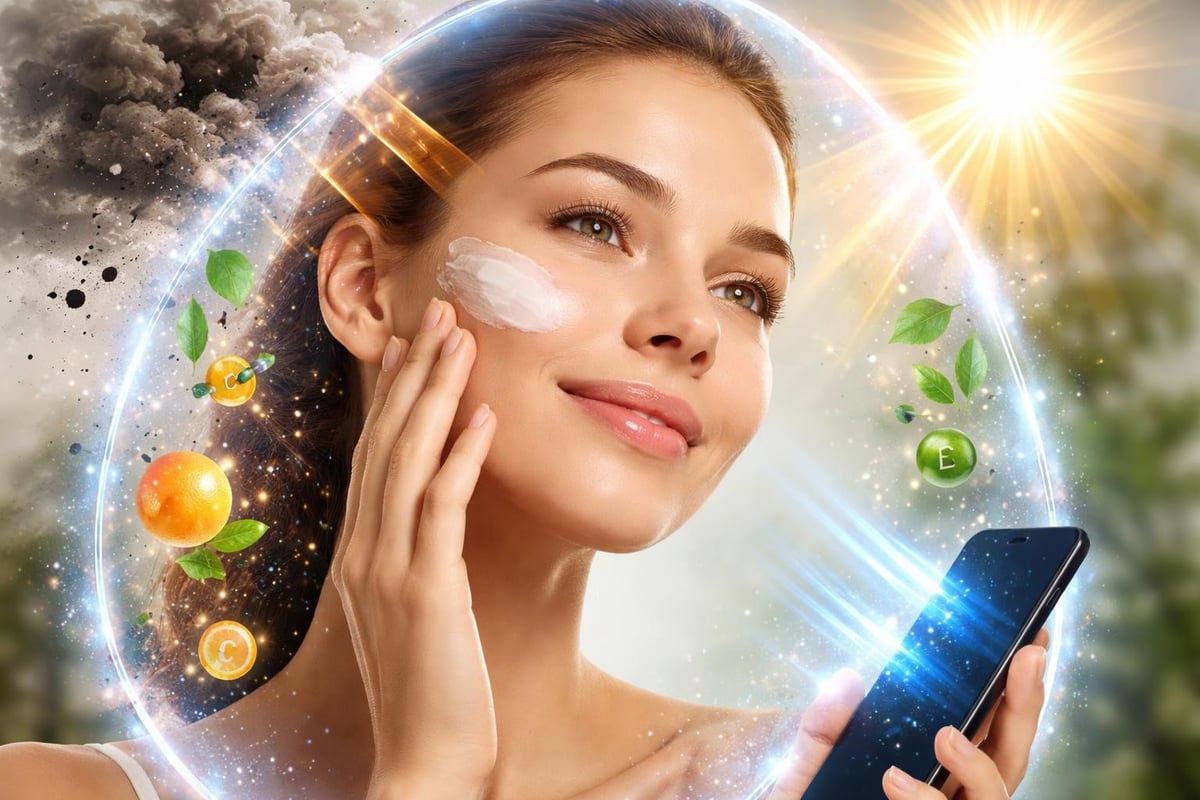
Historical perspectives on all-purpose beauty creams reveal how formulations evolved from simple cold creams to sophisticated multi-functional products addressing environmental challenges unique to modern life.
Building an Effective Beauty Cream Routine
Creating a sustainable skincare routine requires understanding your skin type, primary concerns, and realistic goals. Consistency trumps complexity-a simple routine followed daily outperforms an elaborate regimen used sporadically.
Morning Versus Evening Formulations
Beauty creams serve different purposes depending on time of application. Morning formulations prioritize protection, featuring antioxidants and sun protection to shield against daytime environmental exposure.
Evening creams focus on repair and regeneration, incorporating active ingredients like retinoids and peptides that work optimally during the skin's natural nighttime renewal cycle. Richer textures prove acceptable for nighttime use since they have hours to absorb without interference from makeup or environmental exposure.
The investment in quality beauty creams pays dividends when products are chosen strategically. Body and Beauty’s science-backed skincare solutions provide options for both daily protection and intensive overnight repair.
Quality Indicators and Investment Considerations
Price doesn't always correlate with performance, but certain quality indicators help identify formulations likely to deliver results. Packaging, ingredient concentrations, clinical backing, and brand transparency all provide clues about product integrity.
Airless pump containers protect sensitive ingredients from oxygen exposure better than jars. Opaque packaging shields light-sensitive actives like retinol and vitamin C from degradation. These seemingly minor details significantly impact product efficacy over time.
Evaluating Value Versus Price
| Price Range | Expected Features | Best For |
|---|---|---|
| Under $30 | Basic moisturization | Maintenance, younger skin |
| $30-$75 | Some active ingredients | General anti-aging, prevention |
| $75-$150 | Multiple actives, quality delivery | Targeted concerns, mature skin |
| $150+ | Advanced technology, clinical backing | Intensive treatment, premium results |
Beauty editor-approved moisturizers span various price points, demonstrating that effective beauty creams exist across budget ranges. The key lies in matching formulation quality to individual needs rather than simply choosing the most expensive option.
Integrating Beauty Creams with Comprehensive Wellness
Topical skincare represents only one component of skin health. The most effective approach integrates beauty creams with proper nutrition, hydration, sun protection, and stress management.
Collagen production, cellular turnover, and barrier function all depend on adequate nutrient intake. Vitamins A, C, E, and minerals like zinc and selenium support skin health from within, enhancing the effects of topically applied beauty creams.
Products that address both internal and external beauty needs create synergistic benefits. The combination of high-quality beauty creams with science-backed supplements for skin support addresses skin health comprehensively rather than superficially.
Sleep quality directly impacts skin regeneration. During deep sleep, growth hormone peaks, stimulating cell reproduction and repair. The most expensive beauty creams cannot compensate for chronic sleep deprivation.
Lifestyle Factors That Enhance Results
Beyond product selection, daily habits profoundly influence how well beauty creams perform:
- Hydration: Drinking adequate water supports skin moisture from within
- Diet: Anti-inflammatory foods reduce skin stress and support repair
- Exercise: Increased circulation delivers nutrients to skin cells
- Stress management: Elevated cortisol impairs barrier function and accelerates aging
- Sleep consistency: Regular sleep-wake cycles optimize skin's natural repair processes
Customization and Personalization Trends
The future of beauty creams lies in personalization. Generic formulations give way to products tailored to individual skin types, concerns, genetic profiles, and environmental exposures.
DNA-based skincare analyzes genetic markers associated with collagen degradation, antioxidant capacity, and sensitivity to determine optimal ingredient combinations. While still emerging, this technology promises to revolutionize how we approach beauty cream selection.
Seasonal rotation strategies allow adjustment based on changing needs. Rather than using identical products year-round, strategic switching between formulations optimizes results while preventing ingredient fatigue or diminishing returns.
The wellness-focused approach offered by comprehensive beauty and body programs recognizes that truly radiant skin requires attention to multiple factors beyond topical application alone.
Understanding beauty creams requires looking beyond marketing claims to evaluate ingredients, delivery systems, and how products integrate into a comprehensive wellness approach. The science of skincare continues evolving, offering increasingly sophisticated solutions for maintaining healthy, youthful skin. Whether you're addressing specific concerns or maintaining results, Body and Beauty provides science-backed skincare, supplements, and wellness programs designed to support your beauty goals from multiple angles. Explore how integrating superior skincare with targeted supplementation creates the foundation for lasting results.
This blog is unofficial and in no way connected to NuevaLife.com or its products sold on bodynbeauty.com. It is the blog of an affiliate social marketer.


