


The landscape of wellness Canada has evolved dramatically over the past decade, transforming from fragmented health initiatives into a comprehensive ecosystem of credible resources, professional standards, and evidence-based practices. As Canadians increasingly prioritize holistic health approaches that integrate physical wellness, mental clarity, and aesthetic vitality, understanding the infrastructure supporting these goals becomes essential. This guide explores the foundations of wellness in Canada, examining accreditation standards, credible information sources, and science-backed approaches that align with modern wellness philosophies.
Understanding the Wellness Canada Ecosystem
The wellness industry in Canada operates through a sophisticated network of regulatory bodies, professional organizations, and evidence-based resources designed to protect consumers and elevate practice standards. Unlike unregulated markets where questionable claims run rampant, the Canadian wellness landscape emphasizes accountability and scientific validation.
Professional accreditation serves as the cornerstone of credibility in this field. Organizations like Wellness Canada Accreditation establish international standards for wellness professionals, ensuring practitioners meet rigorous educational requirements and maintain ethical practice guidelines. This systematic approach to quality control separates legitimate wellness services from opportunistic ventures.
Key Components of Credible Wellness Resources
When evaluating wellness Canada resources, consumers should prioritize platforms that demonstrate transparency in their methodologies. The most reliable sources share several characteristics:
- Evidence-based content grounded in peer-reviewed research
- Professional credentials from recognized accrediting bodies
- Transparent sourcing with cited references and expert contributions
- Regular updates reflecting current scientific understanding
- Balanced perspectives acknowledging both benefits and limitations

Being Well Canada exemplifies this comprehensive approach, offering resources spanning health promotion, illness prevention, and self-care strategies. Their framework recognizes that authentic wellness extends beyond symptom management to encompass proactive lifestyle optimization.
The Role of Workplace Wellness in Canadian Culture
Corporate wellness programs have emerged as critical drivers of the wellness Canada movement, fundamentally reshaping how Canadians approach health during their professional years. Research indicates that employees spending significant portions of their lives at work require integrated wellness support systems that address physical, mental, and emotional needs.
Wellness Works Canada leads this transformation through accreditation programs, training resources, and frameworks helping employers build high-performing cultures rooted in employee wellbeing. Their methodology recognizes that organizational health directly correlates with individual wellness outcomes.
Components of Effective Workplace Wellness
Successful workplace wellness initiatives incorporate multiple dimensions:
- Physical health programs including fitness challenges and ergonomic assessments
- Mental health support through counseling services and stress management training
- Nutritional guidance featuring healthy eating workshops and supplement education
- Financial wellness addressing the stress-health connection through financial literacy
- Social connectivity fostering supportive workplace relationships and community
Organizations implementing comprehensive programs report measurable improvements in employee engagement, reduced healthcare costs, and enhanced productivity. These outcomes validate the business case for investing in wellness infrastructure.
| Program Component | Employee Benefits | Organizational Benefits |
|---|---|---|
| Fitness initiatives | Improved energy, reduced disease risk | Lower absenteeism, higher morale |
| Mental health support | Stress reduction, emotional resilience | Enhanced focus, reduced turnover |
| Nutritional programs | Better metabolic health, weight management | Improved performance, healthcare savings |
| Social wellness | Stronger relationships, increased belonging | Team cohesion, collaborative culture |
Navigating Health Information in the Digital Age
The proliferation of online health content presents both opportunities and challenges for Canadians seeking reliable wellness guidance. While digital platforms democratize access to information, they simultaneously expose consumers to misinformation and commercially motivated content disguised as objective advice.
GAC Guidelines addresses this challenge by providing evidence-based health and wellness information focused on genuine active care principles. Their platform emphasizes daily wellness practices supported by scientific research rather than sensationalized quick fixes.
Strategies for Identifying Credible Sources
Academic institutions contribute valuable frameworks for evaluating online health information. The Southern Alberta Institute of Technology provides comprehensive guides on finding credible health resources, including techniques for assessing source reliability and utilizing library databases effectively.
Critical evaluation criteria include:
- Author credentials and potential conflicts of interest
- Publication date and content currency
- References to peer-reviewed research
- Alignment with established medical consensus
- Absence of sensationalized or absolute claims
Understanding which wellness websites Canadians trust most provides insights into consumer preferences and information-seeking behaviors. Analysis of traffic patterns reveals that Canadians gravitate toward platforms offering balanced, science-based content rather than extreme or polarizing perspectives.

Science-Backed Approaches to Beauty and Wellness
The intersection of beauty and wellness represents one of the fastest-growing sectors within wellness Canada, driven by consumer demand for products delivering measurable results through scientifically validated mechanisms. This shift away from purely cosmetic approaches toward functional beauty reflects broader wellness trends emphasizing internal health as the foundation for external appearance.
Modern consumers increasingly recognize that sustainable beauty outcomes require addressing underlying physiological factors. This understanding drives interest in science-backed supplements supporting skin health, metabolic function, and cellular renewal. Products combining superior skincare formulations with targeted supplementation exemplify this integrated approach.
The Collagen Revolution in Wellness Canada
Collagen supplementation has evolved from niche interest to mainstream wellness practice, supported by growing research demonstrating benefits for skin elasticity, joint health, and overall connective tissue integrity. Canadian consumers seek products offering:
- Bioavailable formulations ensuring optimal absorption
- Clean ingredient profiles free from unnecessary additives
- Third-party testing verifying purity and potency
- Sustainable sourcing aligned with environmental values
- Transparent labeling providing complete ingredient disclosure
The effectiveness of collagen supplementation depends significantly on formulation quality and dosage consistency. Products like advanced collagen supplements address these factors through proprietary delivery systems enhancing bioavailability.
Weight Management Through Holistic Wellness
Weight management within the wellness Canada framework emphasizes sustainable lifestyle modification over restrictive dieting, recognizing that long-term success requires addressing metabolic health, hormonal balance, and behavioral patterns simultaneously. This comprehensive approach contrasts sharply with outdated calorie-restriction models that often produce short-term results followed by rebound weight gain.
Evidence-based weight management programs incorporate multiple intervention points:
- Metabolic optimization through targeted supplementation
- Balanced nutrition emphasizing whole foods and appropriate macronutrient ratios
- Regular physical activity combining cardiovascular exercise and resistance training
- Sleep quality improvement supporting hormonal regulation
- Stress management preventing cortisol-driven weight retention
The Role of Supplementation in Weight Management
Strategic supplementation supports weight management goals by addressing specific metabolic challenges. Advanced supplement formulations targeting fat oxidation and metabolic rate provide adjunctive support when combined with lifestyle modifications.
| Supplement Category | Primary Mechanism | Supporting Evidence |
|---|---|---|
| Metabolic enhancers | Thermogenesis activation | Moderate clinical support |
| Appetite regulators | Satiety hormone modulation | Strong observational data |
| Energy optimizers | Mitochondrial function support | Emerging research base |
| Body composition aids | Muscle preservation during caloric deficit | Established efficacy |
The most effective approaches combine supplementation with comprehensive lifestyle programs addressing nutrition quality, movement patterns, and behavioral modification. This integrated strategy aligns with wellness Canada principles emphasizing sustainable, evidence-based interventions.
Mental Health Integration in Wellness Practices
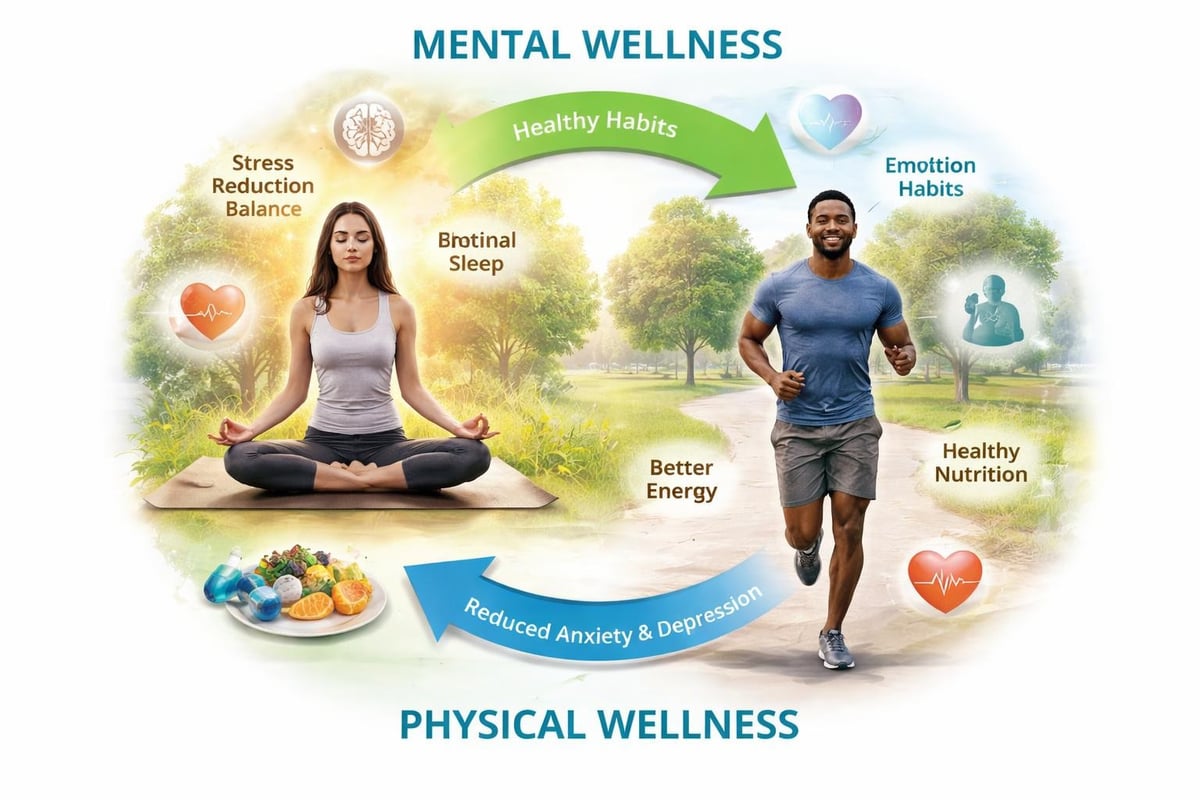
The wellness Canada landscape increasingly recognizes mental health as inseparable from physical wellness, challenging outdated paradigms treating psychological and physiological health as distinct domains. This integrated perspective acknowledges bidirectional relationships between mental states and physical outcomes, informing more effective intervention strategies.
Emerging frameworks like the Canada Protocol for AI in mental health demonstrate innovative approaches to complex wellness challenges. While focused on artificial intelligence applications in suicide prevention, this protocol exemplifies systematic thinking about ethical considerations in wellness interventions.
Practical Mental Wellness Strategies
Daily practices supporting mental wellness include:
- Mindfulness meditation reducing stress response activation
- Regular physical activity enhancing mood-regulating neurotransmitter production
- Social connection fostering emotional resilience and belonging
- Quality sleep supporting cognitive function and emotional regulation
- Purposeful engagement creating meaning and life satisfaction
These evidence-based strategies complement professional mental health treatment when needed, creating comprehensive support systems addressing the full spectrum of psychological wellness.
Building Your Personal Wellness Framework
Creating an effective personal wellness strategy requires honest self-assessment, realistic goal-setting, and systematic implementation of evidence-based practices. Rather than attempting wholesale lifestyle transformation overnight, successful approaches emphasize incremental changes building sustainable momentum over time.
Begin by evaluating current wellness dimensions:
Physical wellness: Energy levels, fitness capacity, sleep quality, nutritional habits
Mental wellness: Stress management, emotional resilience, cognitive clarity
Social wellness: Relationship quality, community connection, support systems
Environmental wellness: Living space quality, nature exposure, chemical exposure reduction
Occupational wellness: Work satisfaction, career development, work-life integration
Identify one to three priority areas requiring immediate attention, then research evidence-based interventions addressing those specific needs. Resources like comprehensive beauty and wellness guides provide actionable strategies across multiple wellness dimensions.
Implementation Strategies for Sustainable Change
Successful wellness transformation follows predictable patterns emphasizing consistency over intensity:
- Start with minimal viable changes requiring low effort and willpower
- Build supporting systems and environmental cues promoting desired behaviors
- Track progress through objective metrics rather than subjective impressions
- Adjust strategies based on measurable outcomes and personal feedback
- Celebrate incremental progress while maintaining long-term perspective
This systematic approach prevents the overwhelm and burnout commonly derailing wellness initiatives launched with excessive enthusiasm but insufficient planning.
The Future of Wellness Canada
The wellness landscape continues evolving as research advances understanding of human health optimization and technology enables more personalized interventions. Emerging trends shaping wellness Canada include:
Personalized nutrition based on genetic testing and microbiome analysis
Wearable technology providing continuous health monitoring and feedback
Telehealth integration expanding access to specialized wellness practitioners
Psychedelic-assisted therapy for treatment-resistant mental health conditions
Longevity science applying aging research to wellness optimization
These developments promise more precise, effective wellness interventions while simultaneously raising questions about access equity, data privacy, and appropriate regulation. The wellness Canada infrastructure will need to adapt continually, balancing innovation encouragement with consumer protection.
Quality standards established by organizations ensuring professional accountability will become increasingly important as the wellness industry expands. Consumers benefit from this professionalization through improved safety, efficacy, and transparency across wellness services and products.
Integrating Travel and Wellness
Wellness tourism represents one of the fastest-growing segments within both travel and wellness industries, reflecting consumer desire for transformative experiences combining relaxation, adventure, and health optimization. Rather than viewing vacation as temporary escape from wellness routines, modern approaches integrate wellness practices into travel experiences.
Exclusive wellness travel programs offer curated experiences designed to deepen wellness practice while exploring new destinations. These programs typically incorporate fitness activities, healthy cuisine, mindfulness practices, and spa treatments within supportive group environments.
Benefits of wellness-focused travel include:
- Immersive environment supporting behavior change away from daily distractions
- Expert guidance from wellness professionals in specialized settings
- Social connection with like-minded individuals sharing wellness values
- Cultural experiences broadening perspectives on health and wellness
- Lasting habit formation through intensive practice periods
The key to maximizing wellness travel benefits lies in selecting programs aligning with personal goals and maintaining practices after returning home.
The wellness Canada landscape offers unprecedented resources for individuals committed to holistic health optimization, combining professional accreditation standards, evidence-based information, and innovative approaches to beauty, fitness, and mental wellness. By prioritizing credible sources and science-backed interventions, Canadians can navigate this complex ecosystem confidently and achieve sustainable wellness outcomes. Body and Beauty supports your wellness journey through carefully curated science-backed supplements, superior skincare formulations, comprehensive weight management programs, and exclusive travel experiences designed to transform health from the inside out.
This blog is unofficial and in no way connected to NuevaLife.com or its products sold on bodynbeauty.com. It is the blog of an affiliate social marketer.


