


The modern skincare shop has evolved far beyond simple retail shelves stocked with creams and serums. Today's discerning consumers expect a comprehensive wellness experience that combines rigorous scientific research, professional guidance, and proven results. Whether you're seeking advanced anti-aging solutions, nutritional supplements that support skin health from within, or expert advice tailored to your unique concerns, the right retail environment makes all the difference. Understanding what separates exceptional skincare retailers from mediocre ones empowers you to make informed decisions about where you invest your time and money.
The Evolution of the Modern Skincare Shop
The traditional skincare shop landscape has transformed dramatically over the past decade. Consumers no longer accept marketing claims at face value but instead demand transparency, clinical evidence, and measurable outcomes. This shift reflects a broader movement toward wellness-oriented purchasing decisions where beauty and health intersect seamlessly.
Key characteristics that define today's leading retailers include:
- Evidence-based product formulations with published research
- Staff trained in dermatological science and ingredient efficacy
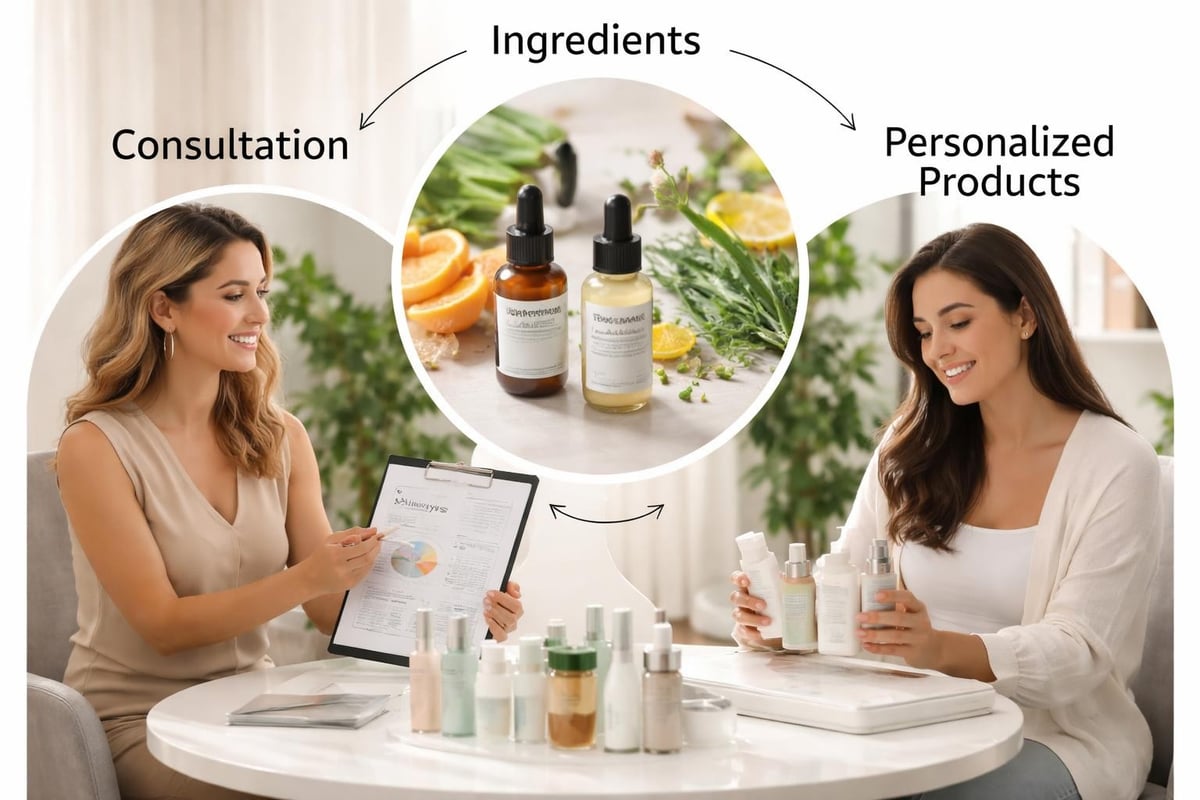
- Personalized consultation services rather than one-size-fits-all recommendations
- Integration of nutritional support products alongside topical treatments
- Transparent sourcing and manufacturing practices
According to research on skincare knowledge and consumption patterns, consumers with higher understanding of ingredient science make more strategic purchasing decisions. This creates a natural advantage for retailers who prioritize education over aggressive sales tactics.
Science-Backed Product Selection
A reputable skincare shop distinguishes itself through rigorous product vetting processes. Rather than carrying every trending brand, exceptional retailers curate collections based on clinical research and proven ingredient efficacy. This approach serves customers who seek genuine results rather than temporary satisfaction from beautifully packaged products.
The Mayo Clinic’s educational resources on skin care emphasize that effective skincare requires understanding how active ingredients interact with different skin types and conditions. Forward-thinking retailers incorporate this medical perspective into their product selection criteria, ensuring every item meets specific quality benchmarks.
| Quality Indicator | What to Look For | Why It Matters |
|---|---|---|
| Clinical Testing | Published studies, dermatologist-tested claims | Validates efficacy beyond marketing |
| Ingredient Transparency | Full disclosure of concentrations and formulations | Enables informed comparisons |
| Professional Partnerships | Relationships with dermatologists, aestheticians | Ensures expert-level knowledge |
| Customer Education | Detailed product information, usage guides | Empowers better decision-making |
When evaluating where to shop, examine whether the retailer provides comprehensive ingredient lists, concentration percentages, and honest assessments of what products can realistically achieve. The Body and Beauty approach to curating science-backed solutions exemplifies this commitment to transparency.
The Wellness-Beauty Connection
Progressive skincare shops recognize that external treatments represent only half the equation. The most dramatic improvements come from combining topical products with nutritional support that addresses skin health from the cellular level.
Nutricosmetics and Supplement Integration
The integration of supplements into skincare offerings reflects growing consumer understanding that beauty starts internally. A comprehensive skincare shop now includes products that support collagen production, provide antioxidant protection, and promote cellular regeneration through targeted nutrition.
Benefits of combined topical and internal approaches:
- Enhanced collagen synthesis through vitamin C and amino acid supplementation
- Antioxidant protection from environmental stressors using targeted nutrients
- Improved hydration through essential fatty acids and hyaluronic acid precursors
- Reduced inflammation via omega-3s and botanical extracts
- Better nutrient delivery to skin cells through optimized circulation
This holistic perspective aligns with current wellness beauty trends that view skincare as one component of comprehensive self-care. Retailers who embrace this philosophy offer customers more complete solutions than those focused exclusively on topical treatments.
Navigating Ethical and Sustainable Options
Modern consumers increasingly prioritize ethical considerations when selecting where to purchase skincare products. The Ethical Consumer’s skincare shopping guide provides frameworks for evaluating brands based on environmental impact, animal testing policies, and supply chain transparency.
A responsible skincare shop addresses these concerns by:
- Clearly labeling cruelty-free and vegan products
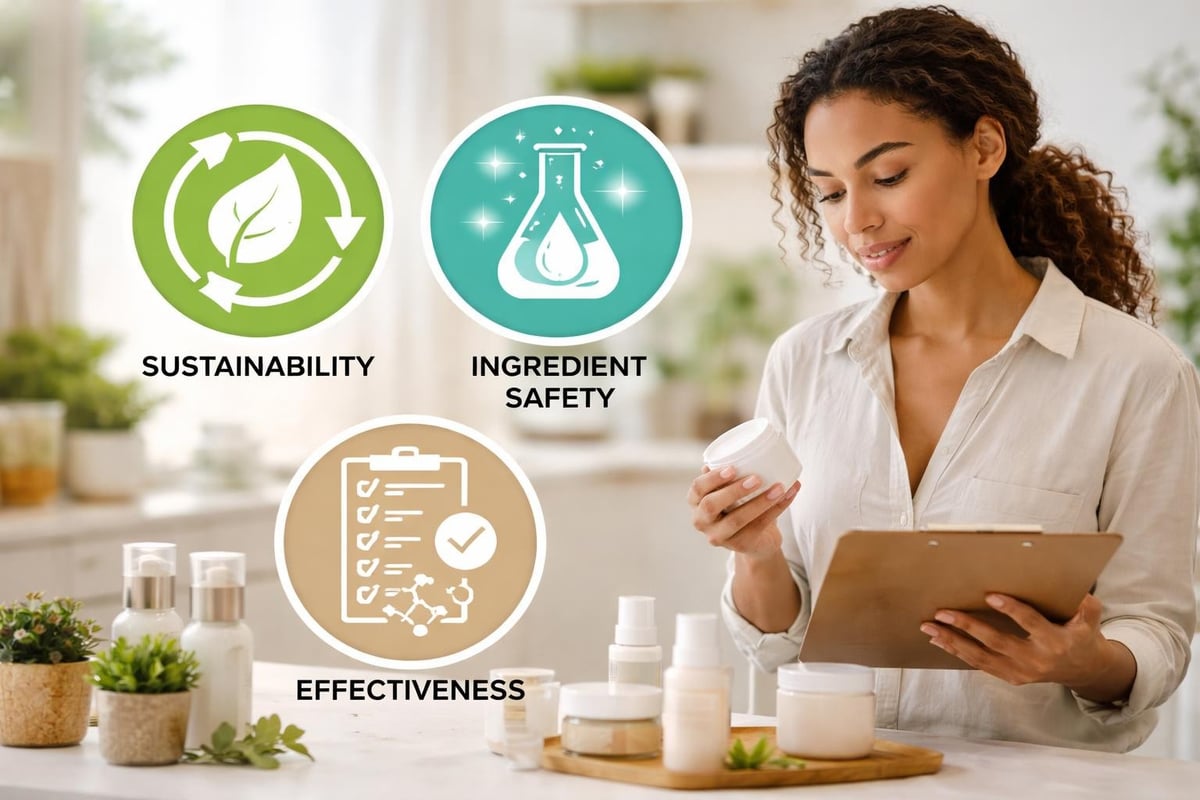
- Providing information about sustainable packaging initiatives
- Offering refill programs to reduce waste
- Partnering with brands committed to fair trade practices
- Supporting local and small-batch producers when quality standards align
Sustainability shouldn't require compromising effectiveness. The best retailers demonstrate that ethical practices and scientific excellence coexist successfully.
Expert Guidance and Professional Credentials
The value of a skincare shop extends beyond product inventory to encompass the expertise available to customers. Professional guidance transforms shopping from overwhelming confusion into strategic investment.
The Role of Trained Consultants
Exceptional retailers employ staff with legitimate credentials in aesthetics, dermatology, or cosmetic chemistry. These professionals interpret complex ingredient information, recommend appropriate combinations, and help customers avoid common mistakes like over-exfoliating or mixing incompatible actives.
Industry influencers like Caroline Hirons have demonstrated how expert knowledge builds consumer trust and loyalty. While individual consultants may not achieve celebrity status, their ability to provide personalized, evidence-based recommendations creates similar value for customers.
Questions to ask skincare shop staff:
- What training or certifications do your consultants hold?
- How do you stay current with dermatological research?
- Can you explain why you recommend specific ingredients for my concerns?
- What realistic timeline should I expect for visible results?
- How do you handle product reactions or dissatisfaction?
The quality of answers reveals whether expertise runs deep or remains superficial.
Digital Integration and Omnichannel Experience
The contemporary skincare shop seamlessly blends physical and digital touchpoints to serve customers wherever they prefer to engage. This integration extends beyond simple e-commerce to create cohesive experiences across platforms.
| Channel | Key Features | Customer Benefits |
|---|---|---|
| Physical Retail | Product testing, immediate consultation, tactile experience | Sensory evaluation, instant gratification |
| Website | Detailed information, reviews, educational content | Research at own pace, comparison shopping |
| Mobile App | Personalized routines, reorder reminders, exclusive offers | Convenience, customization |
| Social Media | Real results, community engagement, expert tips | Social proof, ongoing education |
| Email/Newsletter | Curated recommendations, ingredient deep-dives | Targeted information delivery |
According to E-A-T principles for beauty and wellness brands, establishing expertise, authoritativeness, and trustworthiness across all channels builds credibility that translates to customer confidence and loyalty.
Building Your Skincare Routine Strategy
Visiting a skincare shop without a clear strategy often results in impulse purchases that don't address actual needs. Developing a systematic approach maximizes your investment and accelerates results.
Assessment and Goal Setting
Begin by honestly evaluating your current skin condition and defining specific objectives. Are you addressing hyperpigmentation, seeking anti-aging prevention, managing acne, or building moisture barrier strength? Each goal requires different active ingredients and product categories.
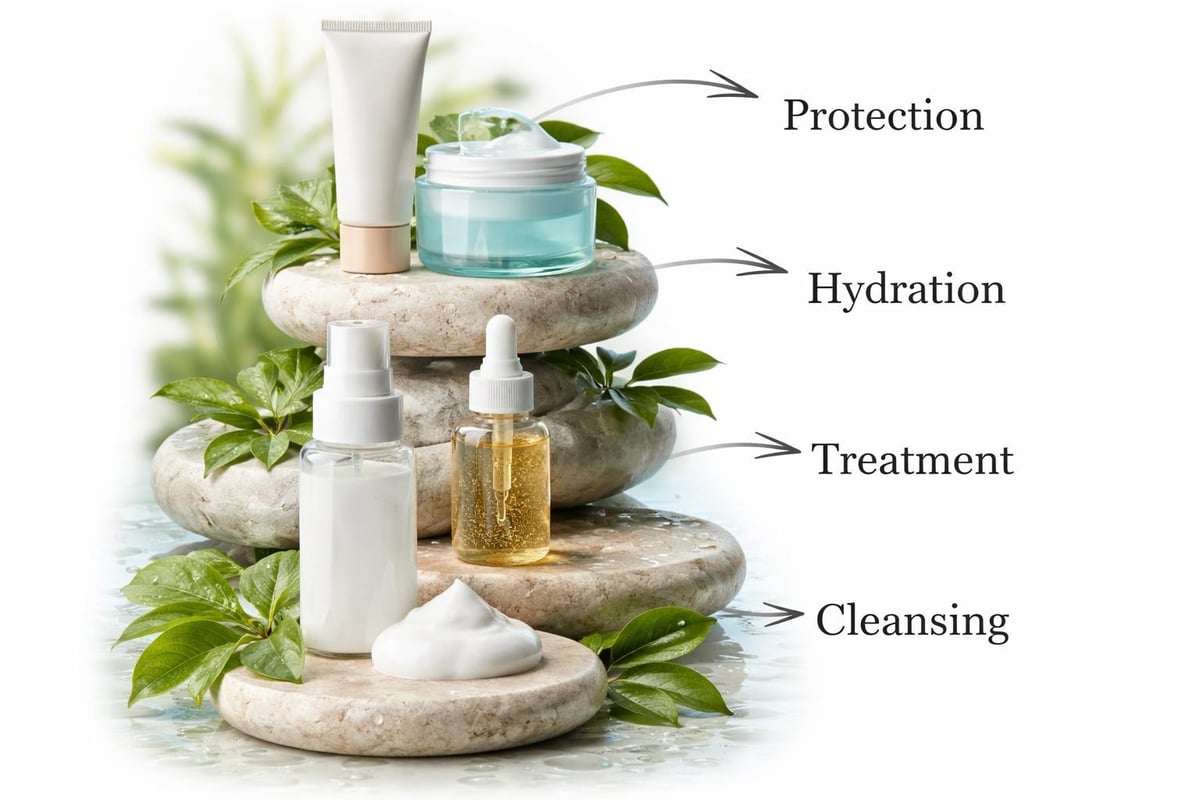
Core routine framework:
- Cleansing – Remove impurities without stripping natural oils
- Treatment – Apply actives targeting specific concerns
- Hydration – Deliver moisture and maintain barrier function
- Protection – Shield skin from environmental damage
Build this foundation before adding specialized products. The aging skincare products guide demonstrates how targeted additions enhance rather than complicate basic routines.
Ingredient Literacy
Understanding key ingredients empowers smarter selections at any skincare shop. Focus on learning categories rather than memorizing every compound.
Essential ingredient categories to recognize:
- Antioxidants (Vitamin C, E, ferulic acid, resveratrol) protect against free radical damage
- Retinoids (retinol, tretinoin, adapalene) accelerate cell turnover and collagen production
- Alpha Hydroxy Acids (glycolic, lactic, mandelic) exfoliate and brighten
- Beta Hydroxy Acids (salicylic acid) penetrate pores and reduce inflammation
- Peptides (matrixyl, argireline) signal collagen synthesis
- Hydrators (hyaluronic acid, glycerin, ceramides) maintain moisture levels
Resources like Skin Authority provide accessible education on how these ingredients function individually and synergistically.
Weight Management and Skin Health Connection
An often-overlooked aspect of comprehensive skincare involves the relationship between metabolic health and skin appearance. Progressive skincare shops acknowledge this connection by incorporating weight management support into their wellness offerings.
Excess weight contributes to inflammatory processes that manifest as skin concerns including acne, premature aging, and impaired wound healing. Conversely, strategic weight management through dietary supplements and lifestyle modifications often produces visible improvements in skin clarity, tone, and texture.
Metabolic factors affecting skin quality:
- Blood sugar regulation and glycation damage
- Inflammatory cytokine production
- Hormone balance and sebum production
- Circulation and nutrient delivery
- Stress hormone impact on barrier function
Retailers addressing these underlying factors provide more complete solutions than those focused exclusively on surface-level treatments.
The Trust Factor in Skincare Retail
Consumer trust represents the most valuable currency for any skincare shop. Research from Lycored on consumer trust in skincare information reveals that healthcare professionals and clinical research outweigh celebrity endorsements and social media influencers as trusted sources.
Building trust requires consistent demonstration of expertise, transparent communication about limitations, and genuine prioritization of customer outcomes over sales volume. When a retailer admits a product won't suit someone's needs and recommends alternatives, that honesty creates loyalty that transcends individual transactions.
Red Flags to Watch For
Certain warning signs indicate a skincare shop prioritizes profit over customer welfare:
- Pushy sales tactics or commission-driven recommendations
- Lack of ingredient knowledge from staff
- Inability to explain why specific products suit your needs
- No return or exchange policies for unopened items
- Exaggerated claims without clinical support
- Resistance to answering detailed questions
Trust your instincts when something feels off. Legitimate retailers welcome informed questions and provide substantive answers.
Premium Products Versus Budget Options
The skincare shop landscape spans vast price ranges, from drugstore basics to luxury formulations. Understanding this spectrum helps you allocate resources effectively.
| Price Tier | Typical Characteristics | Best For |
|---|---|---|
| Budget ($10-30) | Simpler formulations, basic actives, limited research | Building basic routines, testing ingredient tolerance |
| Mid-Range ($30-100) | Quality actives, some clinical testing, better textures | Most everyday needs, proven ingredients |
| Premium ($100-300) | Higher concentrations, proprietary delivery systems, extensive research | Targeted treatment, special occasions |
| Luxury ($300+) | Exclusive ingredients, prestige positioning, elaborate packaging | Personal preference, gift-giving |
Price doesn't always correlate with effectiveness. Many budget options contain identical active ingredients to luxury counterparts. However, premium products often offer superior textures, stability, and delivery technologies that enhance user experience and potentially improve results.
Exclusive Programs and Customer Loyalty
Forward-thinking skincare shops develop loyalty programs that extend beyond simple points accumulation. The most valuable programs provide exclusive access to education, personalized service, and unique experiences.
Premium program features to seek:
- Early access to new product launches
- Complimentary skin analysis sessions
- Educational workshops with industry experts
- Customized routine development
- Travel opportunities focused on wellness and beauty
- Member-only pricing on professional treatments
These programs transform transactional relationships into ongoing partnerships where the retailer invests in your long-term success. The beauty set picks approach demonstrates how curated selections within loyalty frameworks simplify decision-making while maintaining quality standards.
Seasonal Adjustments and Product Rotation
Your skincare needs fluctuate throughout the year as environmental conditions shift. A knowledgeable skincare shop guides customers through these transitions rather than promoting static routines.
Seasonal considerations:
- Winter requires richer moisturizers and barrier repair focus
- Spring benefits from gentle exfoliation and brightening treatments
- Summer demands increased sun protection and lightweight hydration
- Fall presents opportunities for introducing stronger actives
Product rotation prevents both skin boredom and waste from expired products. Retailers offering seasonal consultation help you adapt efficiently without unnecessary purchases.
The Future of Skincare Retail
Emerging technologies and evolving consumer expectations continue reshaping what defines an exceptional skincare shop. Artificial intelligence-powered skin analysis, personalized formulation services, and integration of wearable health data represent the industry's direction.
However, technology enhances rather than replaces human expertise. The most successful future models will blend cutting-edge innovation with the irreplaceable value of knowledgeable professionals who interpret data and provide contextual guidance.
Sustainability pressures will intensify, pushing retailers toward refillable systems, reduced packaging, and locally-sourced ingredients when feasible. Transparency about supply chains and environmental impact will shift from competitive advantage to baseline expectation.
Navigating the modern skincare landscape requires discernment, education, and partnership with retailers who genuinely prioritize your long-term results over short-term sales. By seeking out shops that emphasize scientific research, provide expert guidance, and integrate wellness principles with topical treatments, you position yourself for sustainable success. Body and Beauty exemplifies this comprehensive approach, offering science-backed supplements, superior skincare, weight management solutions, and exclusive wellness programs designed to support your journey toward optimal health and radiant confidence.
Disclaimer: This blog is unofficial and in no way connected to NuevaLife.com or its products sold on bodynbeauty.com. It is the blog of an affiliate social marketer.


