


The beauty and wellness industry has transformed dramatically over the past decade, shifting from marketing-driven formulations to science-backed solutions that deliver measurable results. Today's consumers demand transparency, efficacy, and safety when selecting products beauty products for their personal care routines. This evolution has created an unprecedented opportunity for informed shoppers to build comprehensive wellness regimens that address everything from skin health to metabolic function. Understanding the landscape of modern beauty products requires knowledge of regulatory standards, ingredient science, and quality benchmarks that separate exceptional formulations from mediocre alternatives.
The Science Behind Modern Beauty Product Development
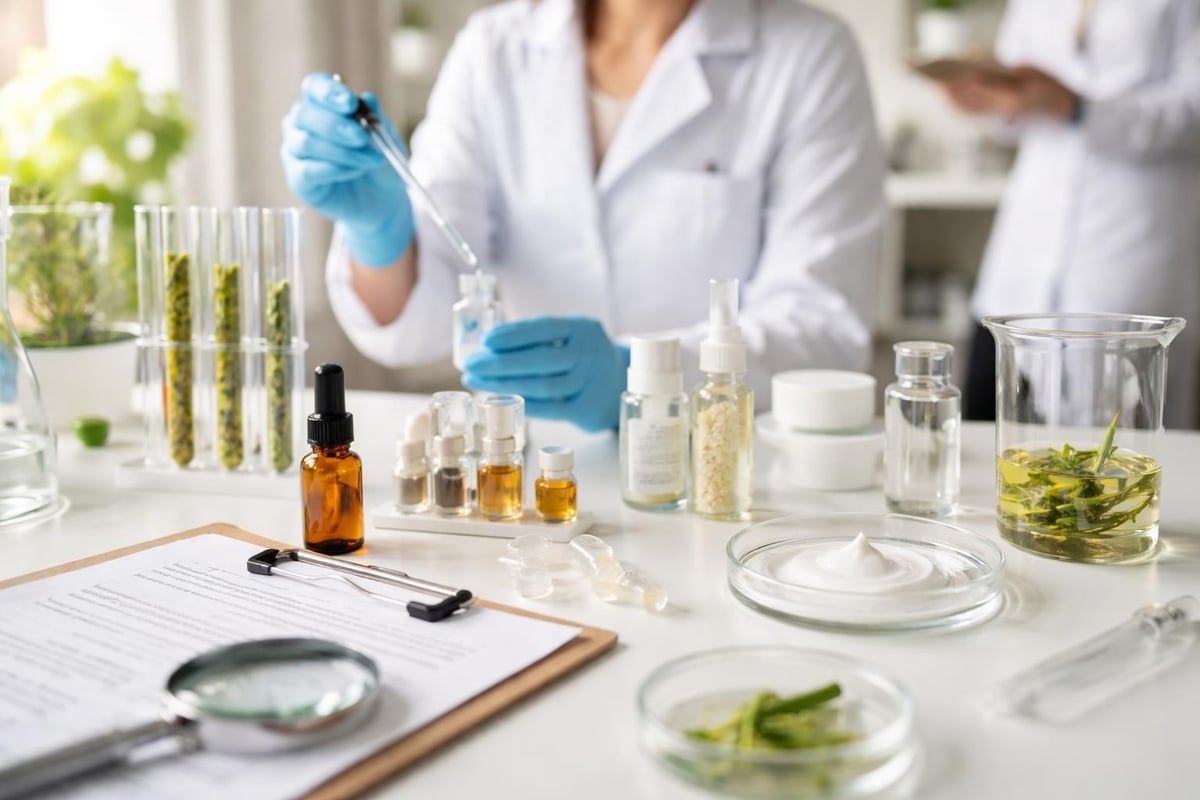
The formulation of effective products beauty products begins with rigorous scientific research and testing protocols. Modern manufacturers invest heavily in clinical trials that demonstrate measurable improvements in skin health, cellular function, and overall wellness outcomes. Research-driven development ensures that active ingredients are present in concentrations that actually produce results, not just marketing claims.
Key Ingredients That Define Quality Formulations
When evaluating products beauty products, understanding the role of specific ingredients helps consumers make informed decisions. The most effective formulations incorporate:
- Peptides and growth factors that stimulate collagen production and cellular renewal
- Antioxidants including vitamins C and E that protect against environmental damage
- Hyaluronic acid in multiple molecular weights for deep and surface-level hydration
- Retinoids and bakuchiol for proven anti-aging benefits without irritation
- Probiotics and prebiotics that support the skin's microbiome balance
Recent advances in cosmetics industry manufacturing have enabled brands to produce more sophisticated formulations with higher stability and bioavailability. These technological improvements mean that products beauty products can now deliver active ingredients more effectively than ever before.
Regulatory Standards Shaping Product Safety
The regulatory landscape governing products beauty products has become increasingly stringent, protecting consumers from potentially harmful substances. Understanding these frameworks empowers shoppers to select products that meet the highest safety standards.
International Quality Benchmarks
| Standard | Region | Key Requirements | Impact on Consumer Safety |
|---|---|---|---|
| EC Regulation 1223/2009 | European Union | Pre-market safety assessments, ingredient restrictions | Comprehensive protection before products reach market |
| ISO 22715 | International | Packaging and labeling guidelines | Consistent product information and traceability |
| FDA Modernization Act | United States | Safety testing for contaminants | Enhanced screening protocols |
The push for safer products beauty products has intensified through legislative efforts. The Safer Beauty Bill Package represents a significant federal initiative to ban toxic chemicals and improve ingredient transparency. This legislation addresses critical gaps in cosmetic safety that have existed for decades.
State-level regulations complement federal efforts. Various jurisdictions have implemented their own restrictions on harmful chemicals, creating a patchwork of protections that conscientious manufacturers exceed by meeting the highest standards everywhere. The Campaign for Safe Cosmetics provides comprehensive resources tracking these evolving regulations.
Testing Protocols That Matter
Recent FDA proposals requiring stricter testing for talc-based products exemplify the ongoing evolution of safety standards. Products beauty products must now undergo more rigorous contamination screening to ensure consumer protection.
Third-party testing and certification provide additional assurance. Look for products that have been evaluated by independent laboratories for:
- Heavy metal contamination
- Microbial safety
- Ingredient purity and potency
- Stability under various storage conditions
- Allergen screening
Building a Comprehensive Wellness Routine
Selecting products beauty products requires understanding how different product categories work together synergistically. A holistic approach addresses both internal and external factors affecting appearance and vitality.
The Inside-Out Beauty Philosophy
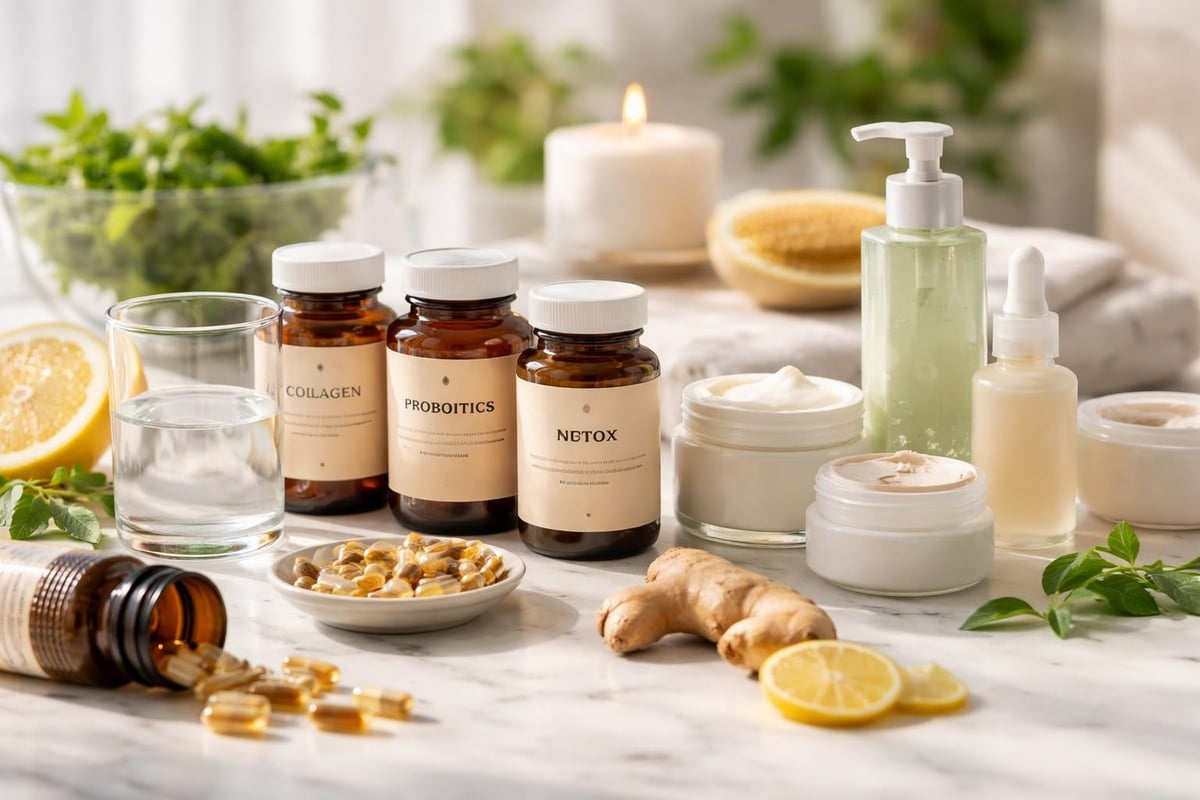
Modern wellness recognizes that topical applications work best when supported by internal nutrition. Science-backed supplements provide the building blocks that skin cells need to function optimally.
Consider these complementary product categories:
- Foundational supplements with antioxidants and essential nutrients
- Targeted skincare addressing specific concerns like aging or hydration
- Metabolic support for healthy weight management
- Cleansing protocols that support natural detoxification processes
This integrated approach delivers superior results compared to relying solely on topical products. When internal health improves through proper supplementation, external treatments become more effective as cells have the resources needed to respond positively.
Product Selection Criteria for Maximum Efficacy
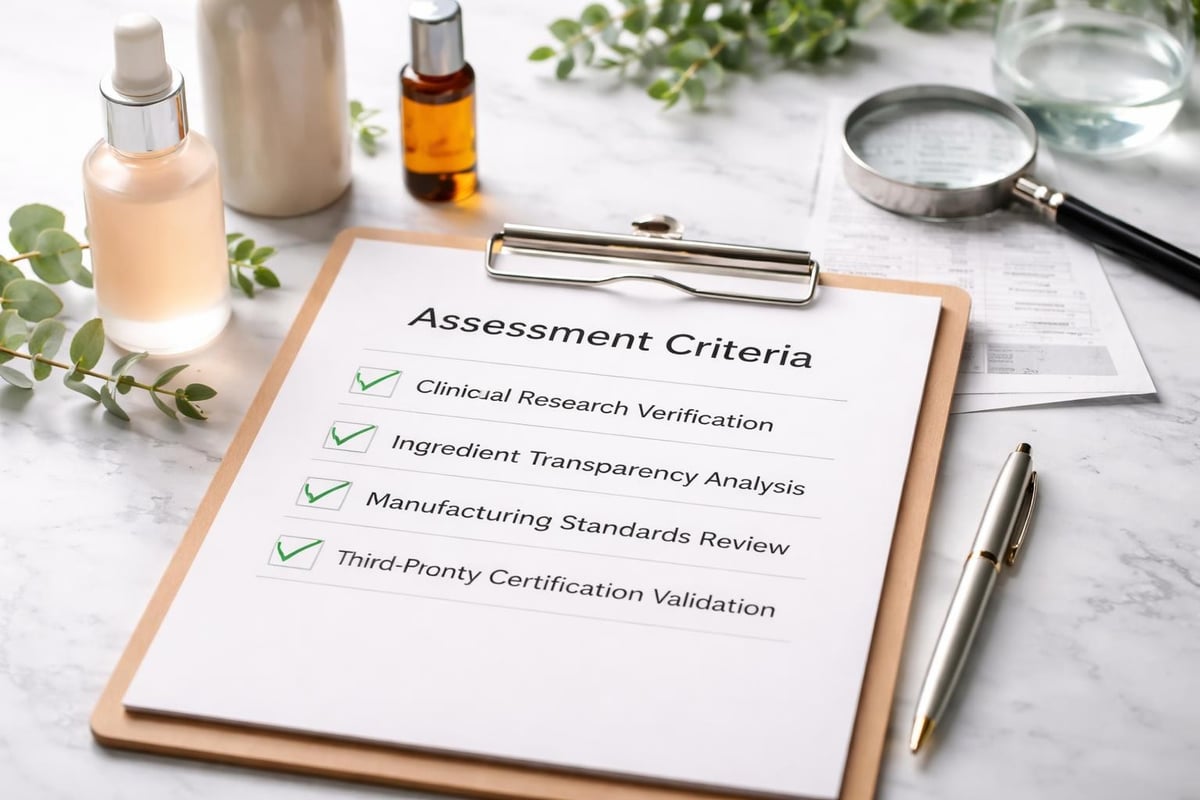
Choosing effective products beauty products requires evaluating multiple factors beyond marketing promises. Apply these selection criteria consistently:
Ingredient transparency tops the priority list. Reputable brands provide complete ingredient lists with concentrations of active components. Avoid products using proprietary blends that hide actual amounts of beneficial ingredients.
Clinical validation separates legitimate products from ineffective options. Look for formulations backed by published research or independent clinical trials demonstrating measurable improvements.
Manufacturing quality ensures consistency and safety. Products produced in facilities following Good Manufacturing Practices (GMP) maintain strict quality control throughout production.
Bioavailability considerations determine whether ingredients can actually reach target tissues. Advanced delivery systems like liposomal encapsulation or micellar technology enhance absorption rates significantly.
The Role of Specialized Product Categories
Different product categories serve specific functions within a comprehensive beauty and wellness regimen. Understanding these distinctions helps consumers allocate resources effectively.
Superior Skincare Solutions
Premium skincare represents a critical component of products beauty products selections. These formulations should contain clinically proven concentrations of active ingredients, not just trace amounts that permit marketing claims.
| Product Type | Primary Function | Key Ingredients | Expected Results |
|---|---|---|---|
| Serums | Deliver concentrated actives | Peptides, vitamins, antioxidants | Visible improvement in 4-8 weeks |
| Moisturizers | Hydration and barrier support | Ceramides, hyaluronic acid | Immediate and cumulative benefits |
| Treatment Products | Address specific concerns | Retinoids, acids, targeted peptides | Progressive improvement over 12+ weeks |
The beauty products guide approach emphasizes selecting formulations appropriate for individual skin types and concerns rather than following generic recommendations.
Science-Backed Supplementation
Internal support through targeted supplementation complements topical treatments. Products beauty products in the supplement category should meet pharmaceutical-grade quality standards.
Effective supplementation addresses:
- Collagen synthesis through amino acid precursors and cofactors
- Antioxidant protection from multiple sources including vitamins and plant compounds
- Cellular energy production supporting metabolic health and vitality
- Inflammation modulation for improved skin clarity and overall wellness
Premium supplements distinguish themselves through bioavailable forms of nutrients, third-party testing for purity, and formulations based on clinical research rather than trends. The dietary supplements category has evolved to include sophisticated nutricosmetics that bridge internal nutrition and external beauty.
Weight Management Integration
Healthy weight management supports overall wellness and enhances the effectiveness of other beauty interventions. Products beauty products designed for metabolic support should contain clinically studied ingredients at effective doses.
Quality weight management formulations include:
- Metabolic enhancers that support healthy fat oxidation
- Appetite regulators using natural compounds
- Blood sugar stabilizers that reduce cravings
- Thermogenic ingredients that increase energy expenditure
The metabolic health perspective recognizes that maintaining optimal body composition contributes to confidence and enables more active, fulfilling lifestyles.
Evaluating Product Claims and Marketing
The beauty industry generates substantial marketing content that doesn't always align with scientific reality. Consumers need critical evaluation skills when assessing products beauty products claims.
Red Flags in Product Marketing
Be skeptical of these common misleading tactics:
Miracle cure language suggesting dramatic overnight transformations indicates unrealistic expectations. Legitimate products produce gradual, sustainable improvements.
Proprietary blend opacity prevents consumers from knowing actual ingredient quantities. This practice often hides insufficient amounts of expensive active ingredients.
Cherry-picked testimonials without broader clinical data may represent outlier experiences rather than typical results.
Pseudo-scientific terminology uses complex-sounding language without substantive meaning or peer-reviewed research support.
Credentials That Actually Matter
When evaluating products beauty products, look for genuine quality indicators:
- Published clinical trials in peer-reviewed journals
- Certifications from recognized third-party testing organizations
- Transparent disclosure of ingredient sources and concentrations
- Manufacturing in certified facilities following international standards
- Dermatologist or medical professional development involvement
The Beauty and Beauty philosophy emphasizes education and transparency, helping consumers understand the science behind effective formulations rather than relying on marketing hype.
Customization and Personalization Trends
The future of products beauty products lies in personalized formulations addressing individual biochemistry, lifestyle factors, and specific goals. Advanced diagnostic tools enable unprecedented customization levels.
Individual Assessment Approaches
Modern personalization begins with comprehensive evaluation:
- Skin analysis using technology that measures hydration, elasticity, and photodamage
- Lifestyle assessment considering stress levels, diet quality, and environmental exposures
- Health history reviewing factors that influence skin health and aging
- Goal definition establishing specific, measurable outcomes
This data-driven approach ensures that selected products beauty products align with actual needs rather than generic recommendations. The aging skincare products guide methodology demonstrates how targeted selection produces superior results compared to one-size-fits-all approaches.
The Value of Professional Guidance
While self-education empowers better choices, professional consultation adds valuable expertise. Qualified wellness consultants and skincare professionals provide:
- Objective assessment free from personal biases
- Knowledge of emerging research and ingredient innovations
- Experience recognizing subtle signs requiring specialized intervention
- Ability to coordinate complex regimens involving multiple product categories
The investment in professional guidance often pays dividends through faster results and avoidance of costly trial-and-error experimentation with ineffective products.
Environmental and Ethical Considerations
Conscious consumers increasingly evaluate products beauty products based on environmental impact and ethical production practices. These considerations complement efficacy and safety in purchase decisions.
Sustainability in Beauty Production
Responsible manufacturing addresses multiple environmental concerns:
- Ingredient sourcing from renewable, sustainably harvested materials
- Production methods minimizing water usage and energy consumption
- Packaging choices using recyclable, biodegradable, or refillable containers
- Carbon footprint reduction through local manufacturing and efficient distribution
The environmental impact of cosmetics extends beyond personal health to planetary health. Forward-thinking brands recognize that long-term viability requires sustainable practices throughout the supply chain.
Ethical Production Standards
Beyond environmental concerns, ethical considerations include:
- Cruelty-free testing policies that never involve animal experimentation
- Fair labor practices throughout the supply chain
- Transparent sourcing from suppliers meeting social responsibility standards
- Support for communities where ingredients originate
These values resonate strongly with consumers who view purchasing decisions as votes supporting companies aligned with their principles. Products beauty products can deliver exceptional results while meeting the highest ethical standards.
Investment Strategy for Premium Products
Building an effective collection of products beauty products requires strategic investment. Quality formulations cost more than drugstore alternatives, but deliver superior value through effectiveness and safety.
Budget Allocation Framework
Prioritize spending based on impact potential:
Tier 1 Priority: Foundational products that provide daily essentials including cleansers, moisturizers, and broad-spectrum sun protection. These workhorses form the basis of any effective regimen.
Tier 2 Priority: Targeted treatments addressing specific concerns with concentrated active ingredients. Serums and specialized formulations fall into this category.
Tier 3 Priority: Enhancement products that optimize results but aren't strictly necessary. Masks, specialized tools, and luxury finishing products occupy this tier.
This framework ensures limited budgets focus on products delivering maximum benefit. The beauty set approach often provides better value than purchasing individual products separately.
Cost-Per-Use Analysis
Rather than comparing bottle prices, evaluate products beauty products based on cost per application. A premium product used sparingly may prove more economical than a cheaper alternative requiring double the amount for comparable results.
Consider these factors:
- Product concentration and recommended usage amounts
- Expected duration before replacement needed
- Results achieved compared to alternatives
- Long-term benefits versus temporary improvements
Quality products often reduce overall spending by eliminating the need for multiple ineffective alternatives and producing results that reduce dependency on corrective procedures.
Future Innovations in Beauty Science
The trajectory of products beauty products development points toward increasingly sophisticated formulations leveraging cutting-edge research. Understanding emerging trends helps consumers prepare for next-generation options.
Biotechnology Applications
Advances in biotechnology enable production of ingredients previously unavailable or prohibitively expensive:
- Bioengineered growth factors identical to human versions at accessible price points
- Fermented ingredients with enhanced bioavailability and skin compatibility
- Microbiome-targeted formulations supporting beneficial bacterial populations
- DNA repair enzymes addressing fundamental aging mechanisms
These innovations represent genuine breakthroughs rather than incremental improvements, fundamentally changing what products beauty products can accomplish.
Personalized Formulation Technology
Emerging platforms combine diagnostic assessment with on-demand manufacturing:
- Custom blending systems creating unique formulations for individual needs
- Adaptive products that adjust based on environmental conditions or skin changes
- Subscription models delivering evolving regimens as needs change over time
- Integration with wearable technology tracking skin health metrics continuously
This level of customization transforms products beauty products from standardized offerings into precisely tailored solutions optimized for individual biochemistry and lifestyle factors. The wellness skincare guide perspective embraces these personalized approaches as the future standard of care.
Selecting effective products beauty products requires balancing scientific validation, safety standards, and individual needs within a comprehensive wellness framework. The evolution toward transparency and evidence-based formulations empowers consumers to make informed choices that deliver genuine results. Whether you're building a foundational skincare routine, exploring science-backed supplements, or developing a complete wellness strategy, Body and Beauty offers expertly curated solutions combining superior skincare, targeted supplementation, weight management support, and exclusive wellness programs designed to help you achieve your health and beauty goals with confidence.
Disclaimer: This blog is unofficial and in no way connected to NuevaLife.com or its products sold on bodynbeauty.com. It is the blog of an affiliate social marketer.


