


The beauty industry continues to evolve rapidly, with consumers becoming increasingly sophisticated about the products they apply to their skin. As awareness grows around ingredient transparency and scientific validation, the demand for effective beauty skin products has never been higher. Understanding how to navigate this complex landscape requires knowledge of formulation science, regulatory standards, and the specific needs of your unique skin type. Whether you're addressing signs of aging, seeking hydration solutions, or maintaining overall skin health, the right approach to selecting beauty skin products can transform your skincare routine from guesswork into a strategic wellness practice.
Understanding the Science Behind Effective Formulations
Modern beauty skin products are developed through rigorous scientific research that examines how active ingredients interact with skin biology at the cellular level. The efficacy of any skincare product depends on factors including molecular weight, pH levels, penetration capacity, and concentration of active compounds. Scientists now understand that skin functions as a complex organ system rather than a simple barrier, which has revolutionized how formulations are created.
Key Ingredients That Deliver Results
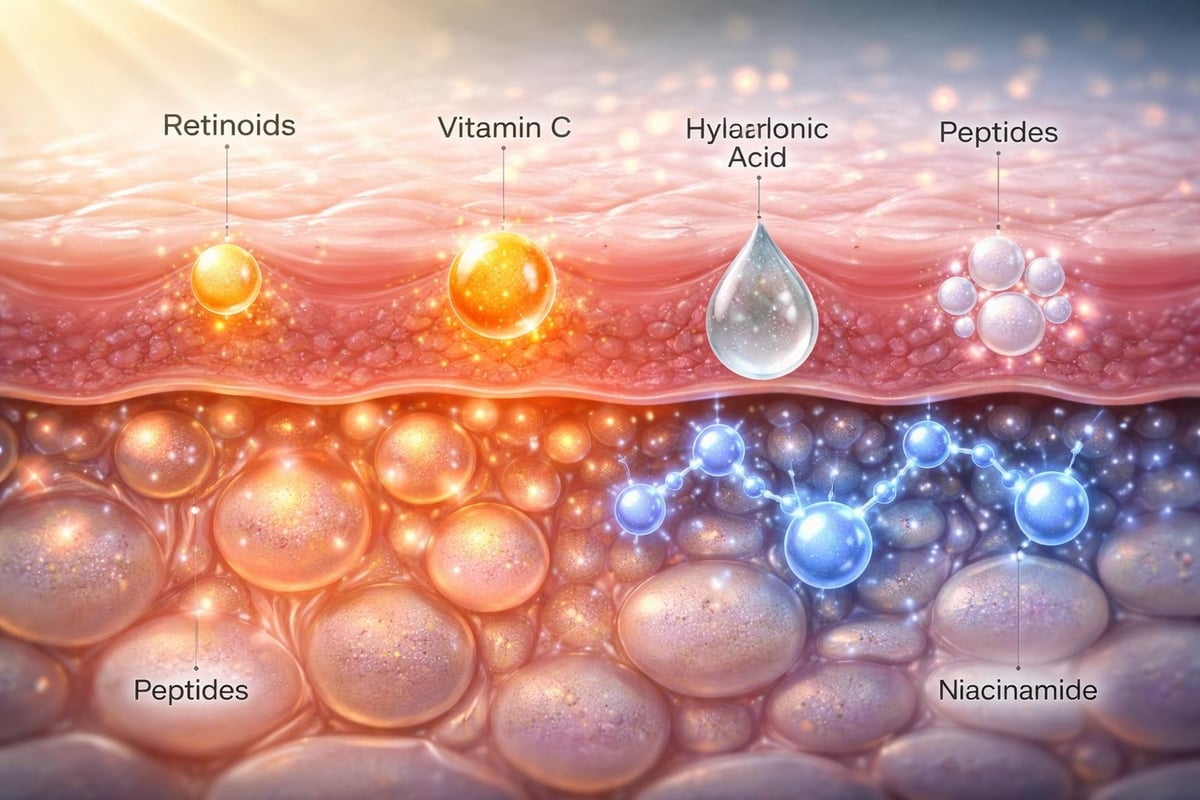
The most effective beauty skin products contain ingredients with substantial clinical evidence supporting their benefits. Retinoids remain the gold standard for addressing fine lines, uneven texture, and discoloration through their ability to increase cellular turnover. Vitamin C provides powerful antioxidant protection while supporting collagen synthesis, making it essential for maintaining youthful skin.
Hyaluronic acid molecules can hold up to 1,000 times their weight in water, delivering intense hydration that plumps skin and reduces the appearance of fine lines. Peptides signal skin cells to produce more collagen and elastin, addressing structural concerns from within. Niacinamide (vitamin B3) offers multiple benefits including improved barrier function, reduced inflammation, and minimized pore appearance.
According to research on dermatologist-backed beauty brands, products developed with clinical oversight show significantly higher efficacy rates and consumer satisfaction compared to those without medical expertise.
Evaluating Product Safety and Transparency
Consumer awareness around product safety has driven significant changes in how beauty skin products are formulated, marketed, and regulated. The concept of clean beauty has evolved beyond marketing buzzwords to encompass verifiable standards around ingredient selection, manufacturing practices, and environmental impact.
Understanding beauty product safety resources helps consumers make informed decisions based on credible information rather than fear-based marketing. Regulatory frameworks vary globally, with the European Union maintaining stricter ingredient restrictions compared to the United States, where the FDA operates under different guidelines.
Decoding Ingredient Lists Effectively
Reading ingredient labels requires understanding INCI (International Nomenclature of Cosmetic Ingredients) naming conventions and concentration hierarchies. Ingredients appear in descending order by weight until reaching components under 1%, which may be listed in any sequence.
| Ingredient Position | Typical Concentration | Impact Level |
|---|---|---|
| First 5 ingredients | 5-90% | Primary effects |
| Positions 6-15 | 1-5% | Supporting benefits |
| Bottom third | <1% | Preservatives, fragrance |
Research shows that ingredient transparency enhances brand visibility and consumer trust, particularly as shoppers increasingly research products before purchase. Brands that provide detailed information about sourcing, concentration levels, and clinical testing data build stronger customer relationships.
The Society Botanica discussion on clarity in cosmetics addresses common misconceptions that prevent consumers from making optimal choices about beauty skin products.
Personalizing Your Skincare Selection Process
No universal formula works for everyone when selecting beauty skin products. Skin type, concerns, environmental factors, lifestyle habits, and individual biology all influence which products will deliver optimal results. A methodical approach to building your skincare routine ensures you invest in products that genuinely benefit your skin.
Identifying Your Skin Profile
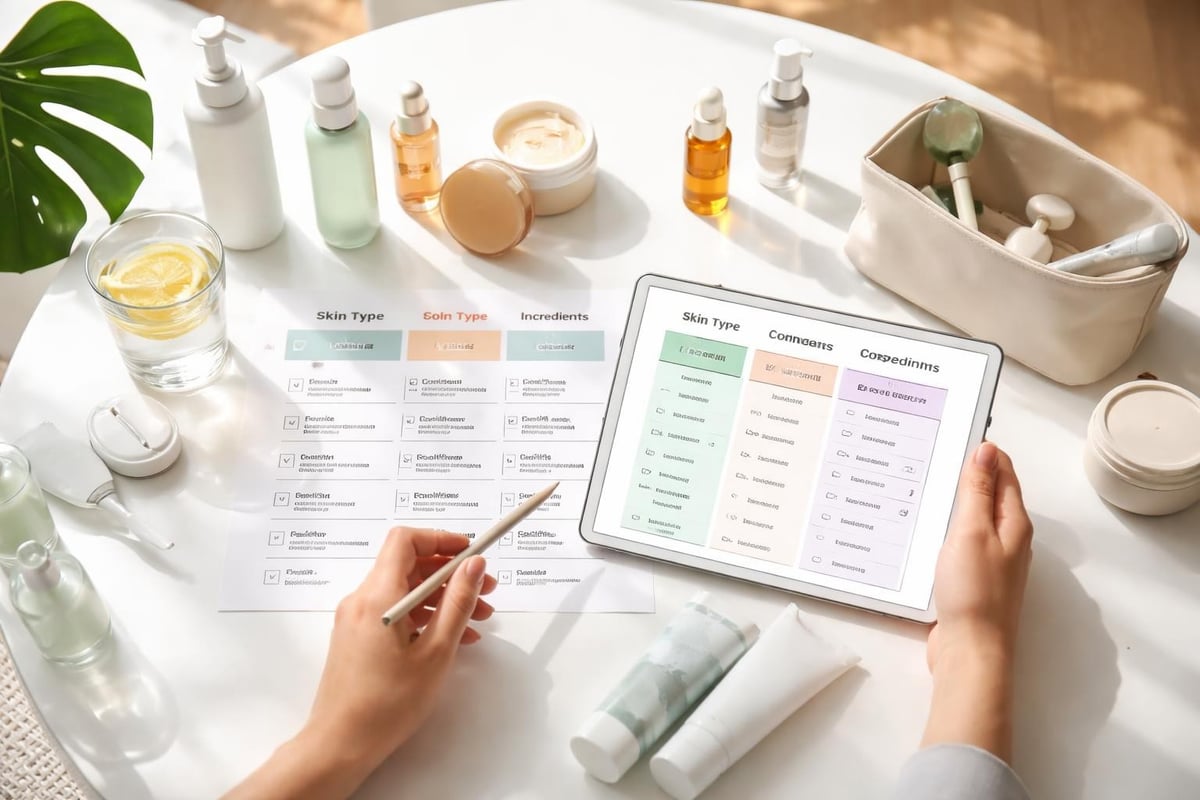
Skin type classification includes normal, dry, oily, combination, and sensitive categories. However, this traditional framework oversimplifies the complex reality of individual skin characteristics. More nuanced assessment considers factors like:
- Hydration levels (both surface and deep moisture)
- Sebum production patterns throughout the day
- Barrier function integrity and resilience
- Sensitivity triggers and inflammatory responses
- Pigmentation tendencies and sun damage history
Environmental context significantly impacts skin needs. Urban dwellers face pollution exposure requiring antioxidant protection, while those in dry climates need intensive moisture barrier support. Seasonal variations also necessitate adjusting your beauty skin products throughout the year.
Building a Strategic Routine
Start with a minimal routine addressing core needs before adding specialized treatments. This foundation approach prevents overwhelming your skin and makes it easier to identify which products deliver specific benefits.
- Cleansing removes impurities without stripping essential oils
- Hydration replenishes moisture using humectants and occlusives
- Protection shields against UV damage and environmental stressors
- Treatment targets specific concerns with active ingredients
- Maintenance supports overall skin health through consistent care
For those exploring comprehensive solutions, beauty set options provide curated combinations designed to work synergistically. These coordinated systems often deliver superior results compared to randomly selected individual products.
The Role of Clinical Validation
The beauty industry has historically relied on marketing claims that lack rigorous scientific support. However, consumer demand for evidence-based beauty skin products has driven increased clinical testing and transparent results sharing. Understanding different validation levels helps distinguish genuinely effective products from those making exaggerated promises.
Types of Clinical Evidence
In vitro testing examines ingredient effects on cultured skin cells, providing preliminary efficacy data and safety information. While valuable for understanding mechanisms, these laboratory results don't always translate to real-world performance on human skin.
Ex vivo studies use human skin samples to test penetration, irritation potential, and biochemical responses. This approach offers more relevant data than cellular testing while maintaining controlled conditions.
Clinical trials on human volunteers provide the most reliable efficacy evidence. The gold standard includes:
- Randomized, double-blind, placebo-controlled design
- Adequate sample sizes (typically 30+ participants)
- Appropriate duration (minimum 4-12 weeks for most claims)
- Objective measurement tools (imaging, biophysical assessments)
- Statistical analysis demonstrating significant results
Allure’s rigorous review methodology demonstrates how professional evaluation combines clinical data, expert analysis, and real-world testing to assess beauty skin products comprehensively.
Navigating Marketing Claims and Certifications
The beauty industry employs sophisticated marketing that can obscure actual product performance. Discerning consumers must evaluate claims critically, understanding which terminology carries regulatory meaning versus promotional language without specific definitions.
Understanding Regulatory Terminology
| Term | Regulatory Status | What It Means |
|---|---|---|
| Hypoallergenic | Not regulated | Implies reduced allergy risk, no standard definition |
| Dermatologist-tested | Not regulated | Product reviewed by dermatologist, extent varies |
| Clinically proven | Not regulated | Should indicate clinical trial, verify study details |
| Non-comedogenic | Not regulated | Formulated to minimize pore clogging |
| Organic | Regulated (USDA) | Percentage of organic ingredients certified |
Clean beauty lacks universal definition, with different retailers and brands establishing proprietary standards. Some focus on ingredient exclusions, while others emphasize sourcing sustainability, manufacturing practices, or packaging choices.
Cruelty-free and vegan certifications from recognized organizations like Leaping Bunny or PETA carry more weight than unsupported claims. These designations address animal testing policies and ingredient sourcing respectively.
The importance of E-A-T (Expertise, Authoritativeness, and Trustworthiness) in beauty brands emphasizes why consumers should prioritize companies with transparent practices, verifiable credentials, and demonstrated expertise in skincare science.
Advanced Ingredient Technologies
Innovation in beauty skin products continues accelerating as research uncovers new delivery systems, novel actives, and enhanced formulation techniques. Understanding emerging technologies helps consumers identify genuinely innovative products versus repackaged conventional formulations.
Delivery System Innovations
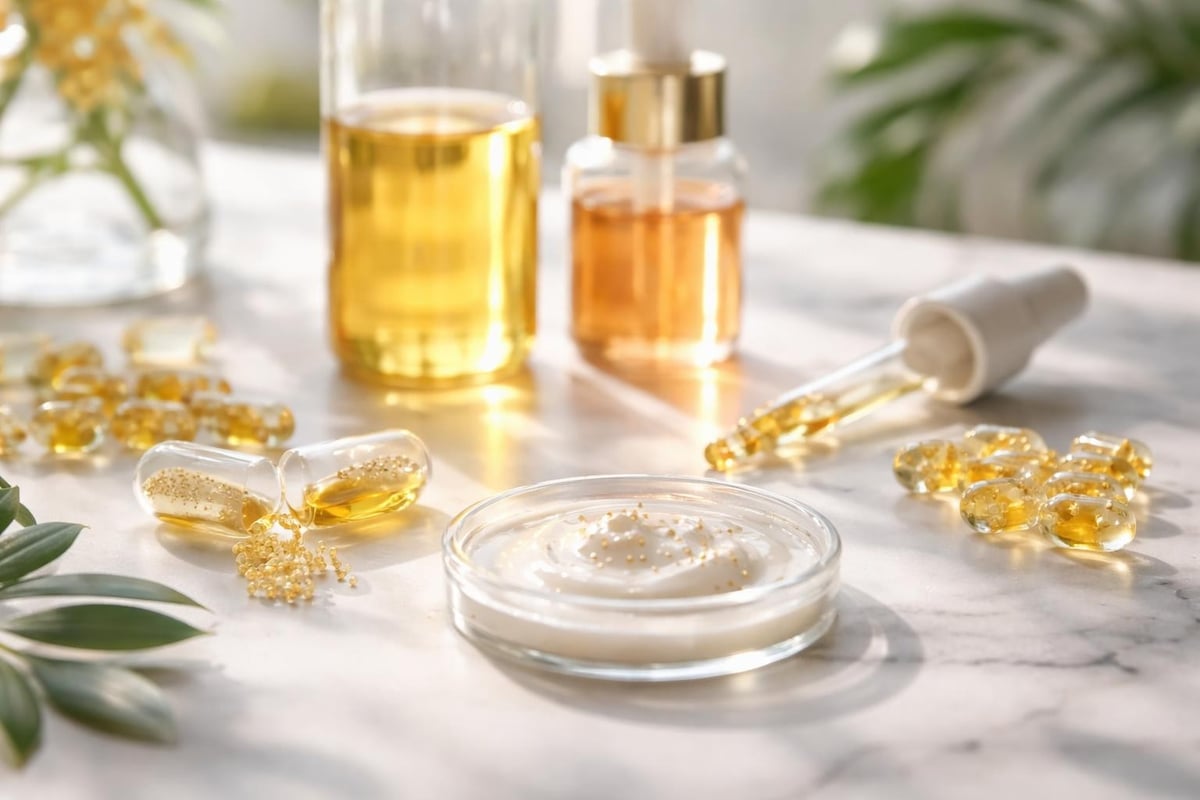
Encapsulation technology protects sensitive ingredients from degradation while controlling release timing and depth of penetration. Liposomal delivery systems use phospholipid structures similar to cell membranes, enhancing absorption of water-soluble actives.
Microencapsulation surrounds active ingredients in protective coatings that release upon skin contact or in response to specific pH levels. This approach improves stability for volatile compounds like retinol and vitamin C.
Nanotechnology reduces particle size to enhance penetration, though this remains controversial due to safety questions about nanoparticles crossing skin barriers. Regulatory bodies continue evaluating appropriate size thresholds and labeling requirements.
- Polymer-based delivery systems extend active ingredient release over hours
- Time-release formulations provide sustained benefits from single applications
- Biomimetic peptides signal specific cellular responses with precision
For those interested in comprehensive wellness approaches, exploring beauty wellness guidance reveals how topical beauty skin products complement internal health support through nutrition and supplementation.
Sustainable and Ethical Considerations
The environmental and social impact of beauty skin products increasingly influences purchasing decisions. Consumers in 2026 expect brands to demonstrate commitment to sustainability through concrete actions rather than vague promises about environmental consciousness.
Environmental Impact Factors
Packaging choices significantly affect product sustainability. Glass containers offer recyclability but require more energy to produce and transport. Post-consumer recycled (PCR) plastic reduces virgin material demand while maintaining functionality. Refillable systems minimize overall packaging waste.
Ingredient sourcing impacts biodiversity, water resources, and farming communities. Sustainable harvesting practices ensure raw material availability for future generations while supporting producer livelihoods. Certifications like Fair Trade, Rainforest Alliance, and B Corporation status indicate commitment to ethical sourcing.
Manufacturing processes vary dramatically in energy consumption, water usage, and waste generation. Brands investing in renewable energy, water recycling systems, and zero-waste facilities demonstrate genuine environmental commitment beyond marketing positioning.
Biodegradability concerns extend beyond natural versus synthetic classifications. Some natural ingredients resist breakdown in aquatic environments, while certain synthetic compounds biodegrade readily. Comprehensive lifecycle assessment provides more accurate sustainability evaluation than ingredient origin alone.
Integration with Holistic Wellness
Effective skincare extends beyond topical applications to encompass nutrition, stress management, sleep quality, and overall lifestyle factors. Beauty skin products deliver optimal results when supported by foundational health practices that nourish skin from within.
The Skin-Nutrition Connection
Nutricosmetics bridge topical skincare and nutritional supplementation, delivering beauty-enhancing compounds through oral consumption. Collagen peptides, antioxidant complexes, and specialized vitamins support skin health through systemic pathways that topical products cannot access.
Research demonstrates that combining external and internal approaches produces superior results compared to either method alone. Hyaluronic acid supplements enhance skin hydration beyond what topical application achieves, while oral antioxidants provide comprehensive cellular protection.
Those exploring dietary supplements for skin health should look for products with clinical validation and bioavailable formulations that ensure effective absorption and utilization.
Lifestyle Factors Affecting Skin Health
Sleep quality directly impacts skin repair processes, with growth hormone release and cellular regeneration peaking during deep sleep phases. Chronic sleep deprivation accelerates aging, impairs barrier function, and increases inflammatory responses regardless of beauty skin products used.
Stress management reduces cortisol levels that otherwise trigger inflammation, disrupt barrier integrity, and accelerate collagen breakdown. Practices like meditation, exercise, and adequate rest complement topical skincare by addressing systemic factors affecting skin appearance.
Hydration from within provides the foundation for topical moisturizers to build upon. Adequate water intake supports cellular function, nutrient delivery, and waste removal that maintain healthy skin structure and appearance.
Professional Guidance and Product Selection
While consumer education empowers informed decisions about beauty skin products, professional consultation provides personalized insights that generic advice cannot match. Dermatologists, licensed aestheticians, and skincare specialists offer expertise in assessing individual needs and recommending evidence-based solutions.
When to Seek Professional Input
Persistent skin concerns including acne, rosacea, eczema, or unusual changes warrant medical evaluation before experimenting with over-the-counter products. Many conditions require prescription treatments or professional procedures for effective management.
Combination therapy often delivers superior results, with professional treatments like chemical peels, microneedling, or laser procedures enhanced by appropriate at-home beauty skin products. Professionals can recommend post-treatment products that support healing and maximize results.
Patch testing before full-face application prevents adverse reactions, particularly important when trying products with high concentrations of active ingredients or potential allergens. This simple precaution identifies sensitivity before significant irritation develops.
For comprehensive approaches addressing multiple wellness dimensions, health and beauty guidance provides integrated perspectives on achieving optimal results through coordinated strategies.
Tracking Results and Adjusting Your Routine
Evaluating beauty skin products requires systematic observation over appropriate timeframes. Most active ingredients require consistent use for 4-12 weeks before delivering visible results, with cellular turnover cycles dictating response timing.
Documentation Methods
Progress photography under consistent lighting conditions provides objective comparison over time. Weekly images from identical angles and distances reveal subtle changes that daily mirror checks might miss.
Journaling observations about texture, hydration, sensitivity, and breakouts helps identify patterns connecting product use to skin responses. Note application timing, quantities used, and any reactions to establish cause-effect relationships.
Biophysical measurements using devices that assess hydration, elasticity, or sebum levels quantify changes that subjective observation might overlook. These tools increasingly become available for home use as technology advances.
| Timeframe | Expected Changes | Assessment Method |
|---|---|---|
| 1-2 weeks | Hydration, texture | Touch, photography |
| 4-6 weeks | Tone, minor lines | Photography, measurement |
| 8-12 weeks | Pigmentation, firmness | Photography, professional evaluation |
| 6+ months | Significant structural changes | Photography, biophysical testing |
Exploring beauty product guidance reveals strategies for optimizing routines based on individual responses and evolving needs throughout different life stages.
Selecting effective beauty skin products requires understanding scientific principles, evaluating evidence critically, and personalizing approaches based on individual skin characteristics and wellness goals. The integration of topical skincare with nutritional support, lifestyle optimization, and professional guidance creates comprehensive strategies that deliver transformative results. Body and Beauty offers science-backed supplements and superior skincare solutions designed to support your journey toward optimal skin health and overall wellness, combining evidence-based formulations with transparent ingredient sourcing and clinical validation.
Disclaimer: This blog is unofficial and in no way connected to NuevaLife.com or its products sold on bodynbeauty.com. It is the blog of an affiliate social marketer.


